Best Markers for Coloring Without Bleeding Through the Page
09 de setembro de 2026
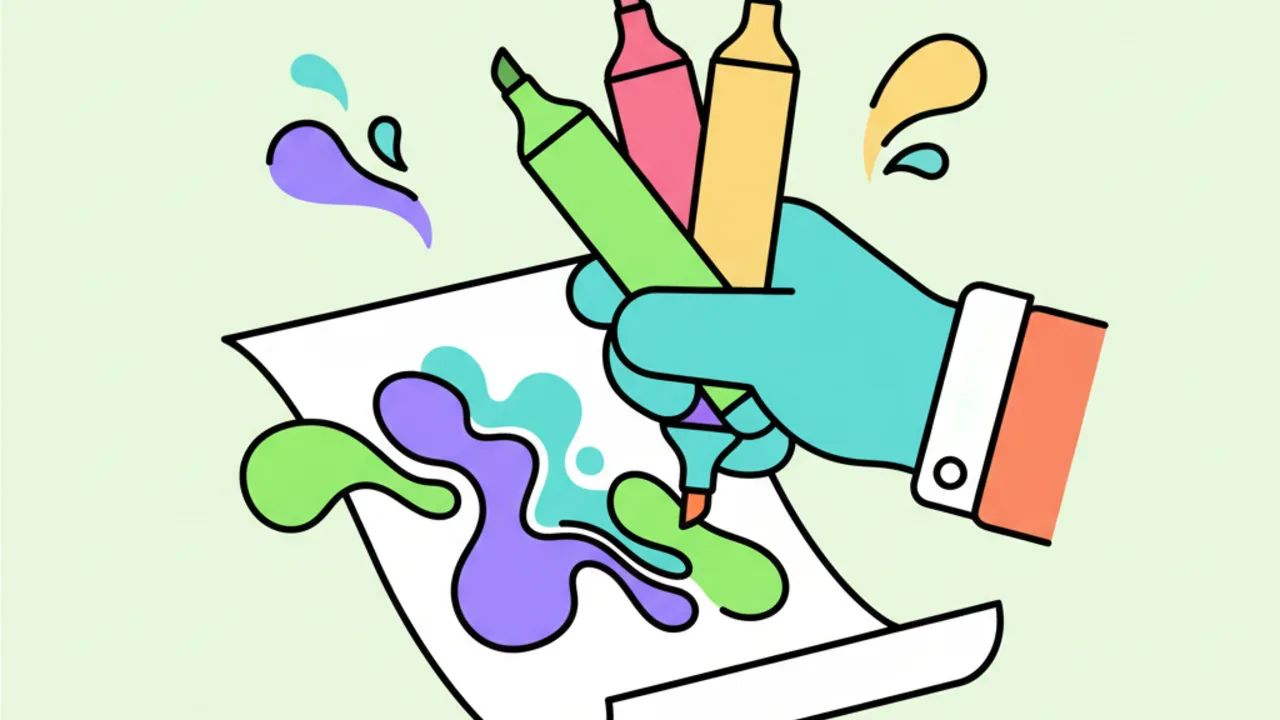
Discover the best markers for coloring your favorite pages without staining the back! Get expert tips for a clean, vibrant, and mess-free art experience. 🎨
Choosing the Right Paper for Markers
Before we dive into marker types, we need to talk about the foundation: the paper. When printing your free printable coloring pages from Desenhando e Colorindo, the sheet's weight is the biggest factor in whether the ink bleeds through to the back or not.
Most home printers use standard 20lb (75g/m²) copy paper. This paper is way too thin for alcohol-based markers or even highly saturated water-based ones. To avoid ghosting or bleeding, the ideal choice is to print your coloring sheets on paper thicker than 32lb (120g/m²), with 65lb (175g/m²) cardstock being a favorite among kids' line art enthusiasts.
If you don't have thicker paper handy, a simple hack is to place a scrap sheet or a piece of cardboard underneath the drawing you're coloring. This prevents ink from staining your desk or the next page of your digital coloring book.
Pro tip: Always test your marker in a small corner of the paper before starting the full piece. This helps you see how the paper fibers react to the ink's moisture and prevents nasty surprises in the middle of your art.
Water-Based Markers: The Kids' Favorites
For those looking for safe coloring activities that minimize ink transfer, water-based markers are the way to go. These are the most common in school kits and have the added bonus of being washable, which is a lifesaver for parents.
These pens take a bit longer to dry than alcohol markers, allowing you to create smooth gradients if you work quickly. Since water doesn't penetrate paper fibers as aggressively as chemical solvents, the risk of bleeding through is drastically reduced, especially on educational drawings with clear outlines.
Conical Tip and Classic Fine-Line Markers
Conical tip markers (like Crayola Broad Line) are excellent for filling large areas of the cute drawings you find here on our blog. They allow for both thin lines and wide strokes depending on the angle. Meanwhile, fine-line markers are ideal for intricate details in mandalas or AI-generated drawings that feature tiny elements.
- Classic Washable Markers: Perfect for everyday use.
- Dual Brush Pens: They feature a brush tip and a fine tip, great for budding artists.
- Pressure-Resistant Tips: Prevents the tip from retracting if a child presses too hard.
- Pastel Markers: Offer soft colors that rarely bleed through the paper.
Alcohol Markers and the Layering Technique
Many teens and adults who enjoy coloring for kids and grown-ups prefer alcohol-based markers (like Copic or Ohuhu) for their flawless blending capabilities. However, these are the most likely to bleed through. To use these without ruining the back, you must use specific "layout" paper or high-weight coated cardstock.
The big advantage of alcohol markers is that they don't leave those "streaks" typical of regular markers. They lay down pigment evenly, creating a professional look on any children's line art. If you want to turn your free drawings into true masterpieces, they are worth the investment—just make sure to protect the surface underneath.
Gel and Glitter Pens for Special Details
If you're coloring nature themes or fantasy characters, gel pens are powerful allies. They use a viscous ink that sits on top of the paper rather than being deeply absorbed, ensuring the back stays clean.
Plus, glitter or metallic versions add a magical touch to your printable coloring pages, highlighting elements like eyes, water, or lights. They are perfect for finishing printable art that has already been colored with pencils, adding different layers of texture.
Benefits of Gel Pens for Coloring
- High Opacity: They can even cover darker colors.
- Quick Drying: Less chance of smudging with your hand while coloring.
- Smooth Flow: They require no pressure, avoiding paper indentations.
- Variety of Finishes: Neon, metallic, glitter, and pastel.
Permanent Markers: When to Use and How to Avoid Stains
Permanent markers (like Sharpies) are known for their durability and vibrant colors. However, they are the "villains" when it comes to the back of the page. They consist of strong solvents that bleed through almost any common printer paper instantly.
To use these on your favorite coloring pages, we exclusively recommend Bristol board or heavy cardstock. If you love the vibrancy of these colors, try using a "light touch" technique, never letting the tip rest in one spot for too long, as ink buildup is what causes the bleed.
Technique Tips for a Clean Finish
Beyond picking the right marker, how you apply color to your free printable coloring drawings affects the end result. Coloring in small circular motions usually saturates the paper less than long, repetitive strokes in the same spot.
Always keep a steady but light hand. If you notice the paper starting to "pill" or warp (fuzzing up), stop immediately. This is a sign the fibers are saturated with moisture, and if you continue, the ink will definitely bleed through.
Organizing Your Coloring Station
Having an organized space helps prevent accidents. Keep your pens capped when not in use to stop them from drying out or accidentally touching clean parts of the drawing. While online coloring is fun, the physical experience of paper and pen is a great way to unplug and relax as a family.
Best Budget-Friendly Brands for Beginners
There are several great options available that offer quality without breaking the bank. Brands like Faber-Castell, Crayola, and Bic offer excellent marker lines that work perfectly with the educational drawings at Desenhando e Colorindo. For those seeking something more artistic, brands like Tombow or Stabilo have varied tip options that usually don't bleed on 90g (24lb) paper or higher.
Frequently Asked Questions
What is the best paper for printing and coloring with markers?
The best paper is offset or cardstock with a weight of 120g/m² (32lb) to 180g/m² (65lb). They are denser and absorb ink without letting it seep through to the back easily.
How can I tell if a marker will bleed before I start?
Make a small dot or stroke in the corner of the page or on a test sheet of the same paper. Wait a few seconds and check the back. If the color shows through clearly, that marker isn't suitable for that specific paper.
Do regular school markers ruin the paper?
If used with too much force or layered too many times in the same spot, school markers can tear the paper or create fuzz. The secret is to use light touches and avoid overlapping too many wet layers.
Can I mix colored pencils with markers?
Yes! A great technique is to use colored pencils for the base and markers only for details and outlines. This ensures vibrant colors without the risk of soaking the paper and bleeding through.
Conclusion
Choosing the right tools transforms the experience of bringing your favorite characters to life. Now that you know which markers protect the back of your pages and how to prep your paper, why not put that knowledge to the test? Browse our gallery, pick your favorite printable coloring pages, and start your artistic journey right now at Desenhando e Colorindo!
Escrito e revisado por Armando Amaro
Fundador do Desenhando e Colorindo. Todo artigo passa por curadoria e revisão humana antes de ser publicado.