Best Paper for Coloring with Watercolors and Markers
15 de setembro de 2026
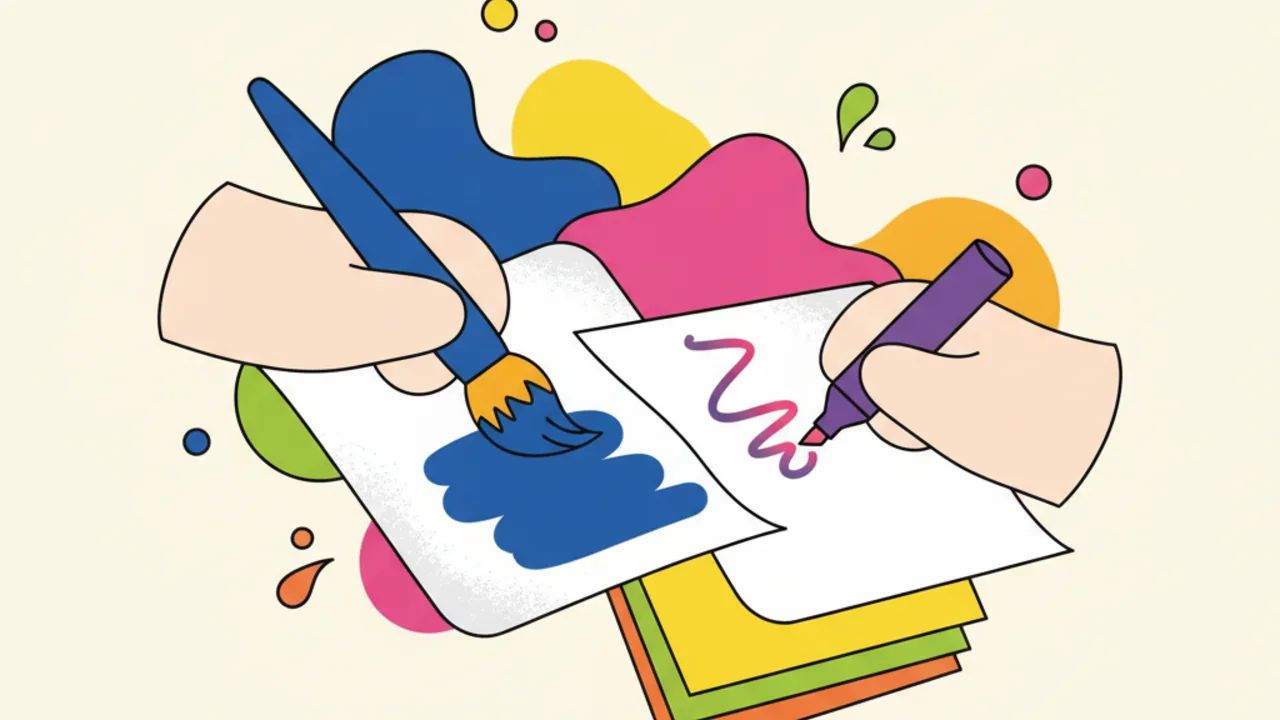
Discover the best paper for coloring with watercolors and markers without bleeding. Level up your art with weight and texture tips from Desenhando e Colorindo.
Choosing the right materials is the first step to ensuring your free printable coloring pages end up with a professional finish. When using wet media like watercolor, or intense pigments like those in markers, standard office paper often won't cut it. It can wrinkle, tear, or let the ink bleed through to the other side, ruining your artistic flow.
To get the most out of the coloring sheets we offer here at Desenhando e Colorindo, understanding the relationship between paper weight and ink type is key. In this detailed guide, we’ll explore the options that turn a simple coloring activity into a true masterpiece, focusing on durability and color vibrancy.
The Importance of Paper Weight (GSM) for Printables
Grammage, or weight, refers to the paper's density, measured in grams per square meter (gsm). For those looking for free coloring pages to paint with markers, you should avoid traditional 20lb (75gsm) copy paper. This type of paper is too porous and thin, causing "bleeding," where the marker ink spreads beyond the lines of the drawing.
If your goal is to use watercolors, the requirements go up. Water needs a sturdy surface to keep from warping. We recommend papers starting at 110lb (180gsm) for dry techniques with light moisture, and over 140lb (300gsm) for those who want to explore heavy washes of water on their educational coloring activities.
Offset vs. Coated Paper
Many people get these two confused. Offset paper is more porous and absorbs ink well, making it excellent for colored pencils and markers, provided it has a high weight (at least 120gsm or 180gsm). Coated paper (like glossy paper), on the other hand, has a finish that makes it smooth. While it looks nice, it doesn't take watercolor well, as the water just slides around the surface instead of being absorbed.
Best Options for Markers and Felt-Tip Pens
Markers are a favorite for kids and adults alike who enjoy vibrant children’s line art. To prevent ink from staining the back of the sheet, Bristol paper is the ideal choice. It is extremely smooth, allowing the marker tip to glide effortlessly, preserving your supplies and ensuring even colors.
Another excellent option is specific "marker paper." These have a chemical barrier that prevents excessive ink absorption, saving your marker's life. Here are some essential features for marker coloring:
- Smooth surface to prevent tip fraying;
- Weight above 120gsm;
- High brightness to make pigments pop;
- Fast drying time to avoid accidental smudges.
Pro Tip: When printing your coloring pages, always test your marker in a small corner of the page to check if the ink reacts with the printer toner, which could cause black smudges in your painting.
Ideal Papers for Watercolor and Wet Media
Watercolor requires paper with a high cotton content or treated cellulose. If you’ve downloaded one of our cute coloring pages and want to add an artistic touch with a brush, look for cold-pressed or rough-textured papers. The texture helps hold the pigment in place while the water dries.
Watercolor paper must be able to withstand several "washes" of color without pilling. 140lb (300gsm) paper is the gold standard. It allows you to fix mistakes by lifting excess water with a cloth—something impossible to do on cheap paper. Remember, when using home printers, check if your device can handle such thick sheets.
Textures: Cold Pressed, Hot Pressed, and Rough
The choice of texture influences the final look of your coloring activity. Cold-pressed is the most versatile, ideal for those who love precise details. Rough grain is perfect for landscapes and abstract effects, as it creates natural shadows in the paper's tooth. For beginners at Desenhando e Colorindo, we recommend starting with cold-pressed.
How to Prepare Your Paper for Printing
The best paper won't help if your printer settings are wrong. For high-quality printable coloring pages, select the "High Quality" option in print properties. If using heavy paper, adjust the paper type setting to "Heavy Paper" or "Cardstock."
This ensures the printer feeds the sheet correctly without jamming. Additionally, if you plan to use watercolor, make sure you use a laser printer. Inkjet printers use water-based inks that may smudge when they come into contact with a wet brush during painting.
- Use a laser printer for drawings intended for watercolor;
- Set scale to 100% so you don't lose edge details;
- Let the printer ink dry for a few minutes before you start coloring;
- Clean the printer rollers regularly to avoid grease marks on special paper.
Advantages of Using Art Paper Every Day
Investing in better quality paper for your online coloring pages turned into physical art brings therapeutic benefits. The paper's strength allows you to apply pressure, blend colors, and experiment with shading techniques that standard paper couldn't handle. This is especially educational for children developing motor skills.
By using proper paper, the durability of the art increases. You can frame works made from our digital coloring book and decorate your space, knowing the paper won't turn yellow or brittle over time, especially if you choose "acid-free" options.
Cellulose vs. Cotton Paper
For those seeking the peak of performance in coloring sheets, understanding the difference between cellulose and cotton is vital. Wood cellulose paper is more affordable and great for daily practice. 100% cotton paper is the pro choice, as it absorbs water much more uniformly and handles "wet-on-wet" techniques perfectly.
Cost-Benefit for Teachers and Parents
We know printing in bulk requires savings. For classrooms or group activities, 120gsm or 150gsm Offset paper offers the best balance. It's sturdy enough for school markers and crayons without costing as much as professional art paper. This way, the fun with our free printable coloring pages is guaranteed for everyone.
Frequently Asked Questions
Can I use watercolor on standard copy paper?
It's not recommended. Standard 20lb (75gsm) paper absorbs water too fast and unevenly, causing the sheet to wrinkle instantly and potentially tear under the brush, ruining your artwork.
What is the best weight for coloring with regular markers?
The ideal weight for school markers is between 120gsm and 180gsm. This prevents ink from bleeding through and allows you to layer colors for shading without damaging the paper fibers.
Will my printer accept 300gsm paper?
It depends on the model. Most home printers accept up to 200gsm or 240gsm through the rear tray. Before printing our designs on very thick paper, check your manufacturer's manual to avoid damaging the mechanism.
How do I stop markers from smudging the lines?
To avoid smudging, prefer laser printing. If using an inkjet, wait at least 24 hours for the black ink to fully cure before going over the lines with markers or a wet brush.
Conclusion
Choosing the right paper transforms a hobby into a deep experience of learning and artistic expression. Whether using vibrant markers or soft watercolors, the right surface makes all the difference in the final result. Now that you know how to pick the best materials, how about putting that knowledge into practice? Browse our categories, pick your favorite free printable coloring pages, and start your next masterpiece right now at Desenhando e Colorindo!
Escrito e revisado por Armando Amaro
Fundador do Desenhando e Colorindo. Todo artigo passa por curadoria e revisão humana antes de ser publicado.