Budget-Friendly Art Supplies for Line Art and Coloring
23 de setembro de 2026
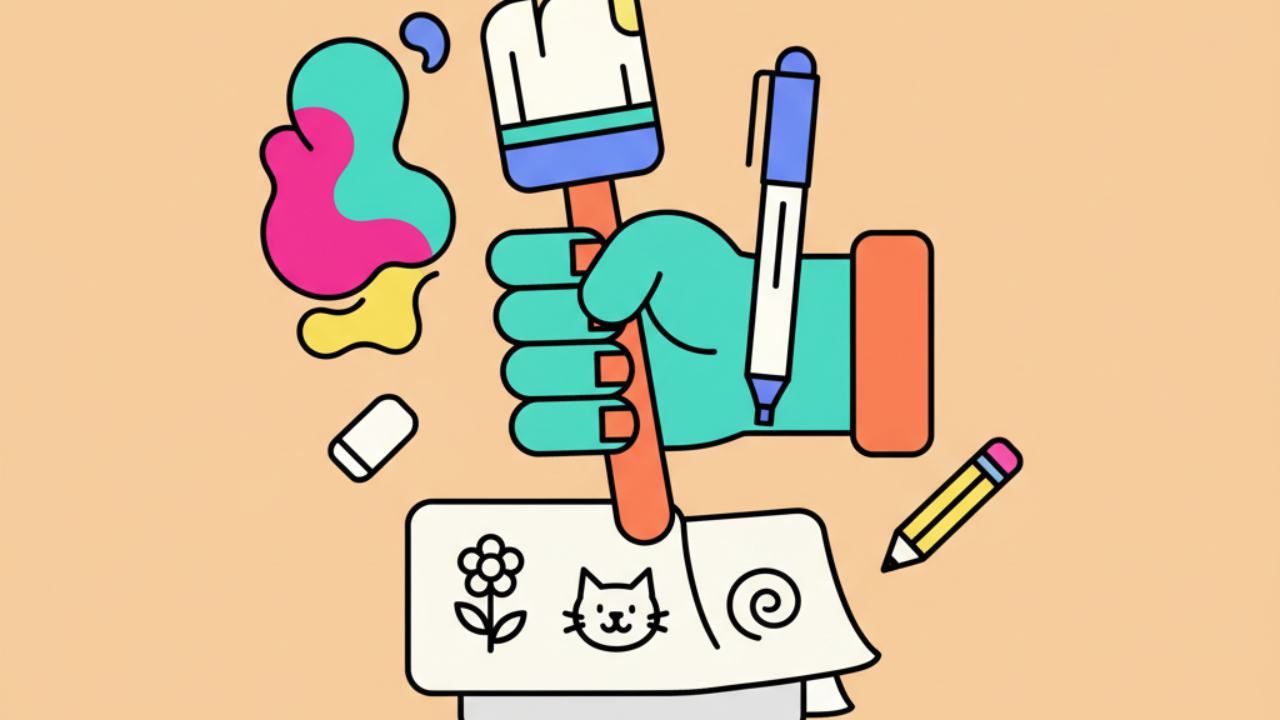
Discover affordable tools to start your line art and painting journey at Desenhando e Colorindo. Pro tips to level up your free coloring pages!
Getting started in the world of manual arts doesn't have to be an expensive or inaccessible investment. For those who love downloading free printable coloring pages at Desenhando e Colorindo, the secret to leveling up your painting lies in making smart choices with basic tools. In September, as the colors of the season begin to change, vibrant shades take center stage, and having the right supplies helps you capture that energy on your coloring pages.
The Importance of the Right Paper for Coloring and Printing
Many people believe that any paper will do for printing their free drawings, but the weight (GSM) is what makes the difference between a wrinkled page and a masterpiece. Standard 75g (20lb) printer paper is great for dry colored pencils but can struggle with wetter techniques.
Recommended Paper Weights for Different Techniques
To ensure your kids' line art or complex designs look perfect, consider investing in higher-weight papers that better handle pigment layers and eraser friction.
- 90g (24lb) Paper: Ideal for those who only use standard colored pencils, offering a bit more durability than basic copy paper.
- 120g to 180g (65lb+ cardstock): The perfect choice for markers and felt-tip pens, preventing ink from bleeding through to the back.
- Canson or Bristol Board: Affordable options for those wanting a professional finish on educational drawings.
When preparing your coloring pages to print, check if your printer supports thicker sheets. Most home printers handle up to 180g (65lb cover) well, which significantly transforms the painting experience.
Colored Pencils: The Best Value for Your Money
You don't need imported sets costing hundreds of dollars to get smooth gradients. Mainstream brands offer student lines of excellent quality that, when used correctly, deliver surprising results on any coloring page.
Tips for Choosing Budget-Friendly Pencils
Look for pencils with a soft lead. Pencils that are too hard tend to scratch the paper and make color blending difficult. Brands like Faber-Castell (student line), Prismacolor Scholar, or even high-quality store brands offer affordable kits with great pigmentation.
Pro tip: Keep your pencils sharp. A fine point allows you to fill in small line art details with precision, while the side of the lead is ideal for broad shading.
Also, try creating your own color palette by mixing basic tones. With a 24-color kit, you can create hundreds of variations just by controlling the pressure of your hand on the paper.
Pens for Line Art and Outlining
Line art is the foundation of every coloring drawing. If you like to reinforce the lines of the drawings you print or even try your hand at your own AI-assisted creations, a good outlining pen is essential.
Budget Alternatives to Technical Drawing Pens
While professional pens are a dream for many, there are stationery options that do the job perfectly. Black gel pens or fine-tip ballpoint pens (0.5mm or 0.7mm) are excellent for beginners.
- Fine-tip felt pens (fineliners) from generic brands.
- Traditional ballpoint pens for cross-hatching and shading.
- Permanent markers for filling in large areas of solid black.
Remember to let the pen ink dry completely before going over it with colored pencils or an eraser to avoid unwanted smudges on your coloring activities.
Painting with Gouache and School-Grade Watercolors
If you want to move beyond colored pencils and explore the world of paints, gouache and school watercolors are the most affordable starting points. They are easy to find and allow you to work with color blending fluidly.
How to Use Gouache on Printed Drawings
Gouache is an opaque and vibrant paint. The secret to using it on coloring pages is to avoid excess water so you don't damage the printer paper. Use simple synthetic brushes, which are cheap and easy to clean.
For watercolors, the tip is to use the heaviest paper you have. Even school-grade watercolor, when applied in thin layers, creates wonderful light and shadow effects on cute drawings of nature or animals.
Erasers and Sharpeners: The Underrated Tools
We often ignore the quality of the eraser, but a bad one can smudge the paper and ruin your entire painting job. Soft white erasers or kneaded erasers are the best choices.
Taking Care of Your Tools
A dull sharpener can break your pencil lead repeatedly, leading to waste. Replace your sharpener as soon as you feel it's "chewing" the wood of the pencil. This saves you money in the long run.
- Erasers with protective sleeves prevent accumulated dirt.
- Sharpeners with containers keep your desk clean during your print-out art sessions.
- Pencil extenders help you use the material down to the last inch.
Organizing Your Workspace
Having a clean and organized environment stimulates creativity, especially for children and adults who look to online coloring or paper coloring as a way to relax. You don't need a professional drawing desk.
Lighting and Posture
Try to color in places with good natural light. During clear days, the lighting is ideal for noticing color nuances. Use a simple desk lamp if you prefer painting at night, ensuring the light doesn't cast shadows over your printed digital coloring book.
Keep your materials in recycled jars or simple cases. Organization makes it easier to access the colors you use most and protects your tips from accidental breakage.
Simple Techniques to Enhance Cheap Materials
Technique beats material most of the time. Practicing pressure control, cross-hatching, and color blending transforms any school pencil into a powerful tool to bring your educational drawings to life.
Color Layering
Instead of pressing the pencil hard to get a dark color, try doing several light layers. This creates a much more beautiful and professional texture on your free printable coloring pages.
Painting Tip: Always start with the lightest colors and gradually darken. It's much easier to darken an area than to try to lighten it once the pigment is already saturated on the paper.
Frequently Asked Questions
What is the best paper for printing coloring pages?
The best value-for-money paper is 120g (32lb) paper, as it is firm enough for pencils and markers without being as expensive as professional art papers.
How do I prevent markers from bleeding through the drawing?
Use high-weight papers (above 150g/60lb) or place a scrap sheet of paper under the page you are coloring to protect the table and the following sheets.
Can I use regular colored pencils to make gradients?
Yes! The secret to a gradient with budget materials is patience to create soft layers and the blending of analogous colors (those that are close to each other on the color wheel).
Where can I find free printable coloring pages?
On the Desenhando e Colorindo website, we offer a vast library of drawings for all ages, ready to download and use with your new supplies.
Conclusion
Practicing art doesn't require big investments, just creativity and the right tools to start. Now that you know the best affordable materials to elevate your paintings, how about putting that knowledge into practice? Choose your favorite themes at Desenhando e Colorindo, get your kit ready, and enjoy our free printable coloring pages to create incredible works today!
Escrito e revisado por Armando Amaro
Fundador do Desenhando e Colorindo. Todo artigo passa por curadoria e revisão humana antes de ser publicado.