Drawing Tips: Why a Light Touch Matters in Sketching
28 de agosto de 2026
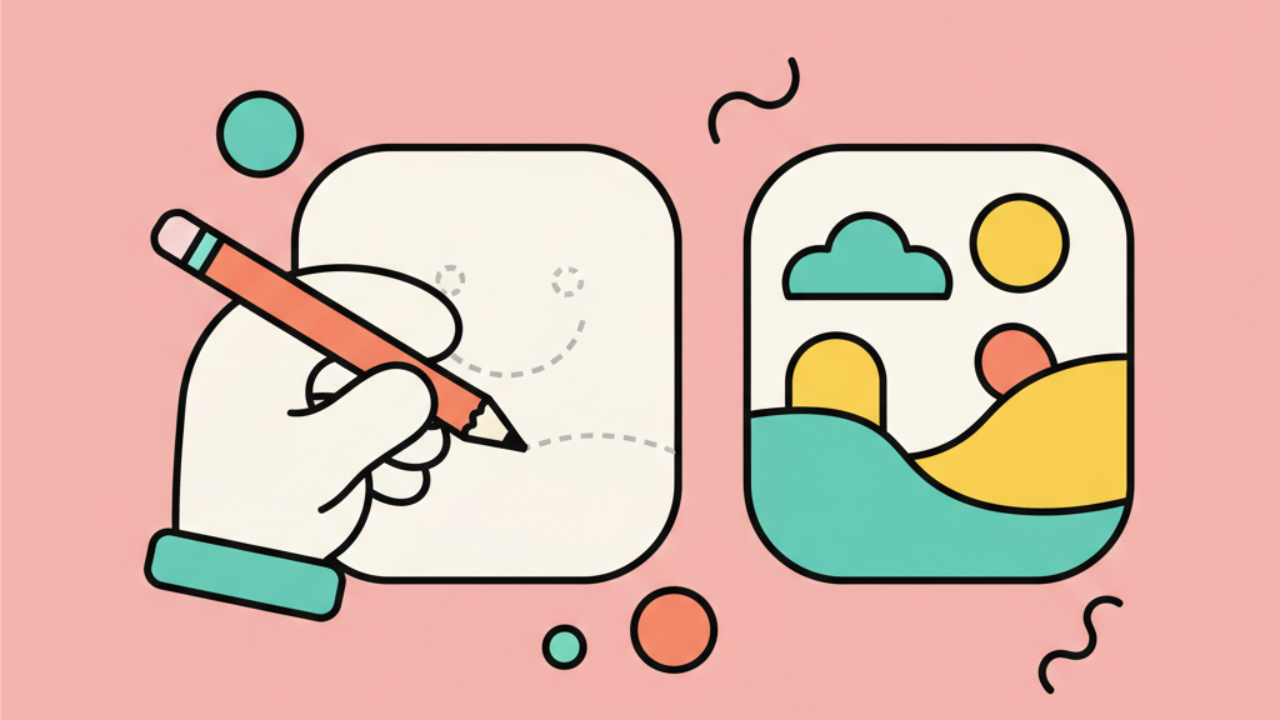
Discover why using a light touch for your sketches helps create the perfect coloring pages. Improve your technique and prepare amazing art to print and color! 🎨
Why a Light Touch is the Foundation of Great Coloring Pages
When we're creating new coloring pages, the first temptation is to press hard on the paper to define the image right away. However, the secret of professional artists and educators who prepare coloring activities lies in the softness of the contact between the graphite and the sheet. A light stroke allows you to make mistakes, adjust, and refine shapes without leaving permanent marks on the paper.
When producing a sketch for kids' line art, excessive pressure can create grooves in the paper. These grooves, even after being erased, remain visible and get in the way when applying colored pencils or markers. The goal of a good sketch is to serve as an invisible guide that will disappear under the final art.
During these cooler months, perfect for indoor activities, practicing this technique helps immensely in the development of fine motor skills. Children and adults who learn to control their hand strength can create much cleaner and more professional printable coloring pages, making digitalization easier for those who want to share their art online.
The Science Behind Pencil Pressure
Graphite is composed of layers that flake off as they friction against the paper fibers. When we press too hard, we aren't just transferring more graphite; we are literally crushing the fibers of the sheet. This prevents subsequent paint or pencil colors from setting evenly, resulting in unwanted smudges on your educational drawings.
For those looking for free printables to practice with, noticing the difference between a guide line and a contour line is fundamental. The sketch should be just a whisper on the paper. If you need to erase, a soft eraser should remove everything effortlessly. If a "ghost" of the previous drawing remains, it means the pressure was too high.
Choosing the Right Pencil for Sketching
Not all pencils are created equal when it comes to creating high-quality printable art. For the initial sketch, it's ideal to use H (Hard) range pencils, which are harder and release less pigment, or the classic HB. Avoid B (Black) range pencils for the starting phase, as they are very soft and smudge easily at the touch of a hand.
A valuable tip for keeping your stroke light is to hold the pencil a bit further back from the tip. The closer to the tip you hold it, the more natural force you apply. By moving your fingers back, the weight of the pencil itself dictates the rhythm, resulting in cute drawings with much more fluid and organic outlines.
Advantages of a Soft Sketch for Digital Coloring Books
With the advancement of AI-generated drawings and editing tools, many artists prefer to draw on paper and then digitize. If your initial sketch is heavy, editing software will have difficulty separating the definitive line from the mere construction marks.
A light sketch facilitates layering. Imagine you are creating a forest scene for a digital coloring book. You start with basic circles and shapes. If these shapes are light, you can draw the details of the trees and animals on top without a clutter of lines obscuring your vision of the final result.
- Extreme ease in correcting proportions before the final line work.
- Preservation of the paper's original texture for better color absorption.
- Less muscle fatigue during long drawing sessions.
- Superior aesthetic finish when presenting your free coloring pages for kids.
Pro Tip: Before starting your drawing, warm up by doodling circles and spirals on the paper without letting the pencil tip make a scratching sound. The sound should be almost imperceptible.
How a Light Stroke Influences Online and Physical Painting
Whether practicing online coloring or using traditional materials, the clarity of the base drawing is vital. In a digital environment, a light stroke allows the paint bucket tool to fill areas correctly without leaks. On paper, a light outline allows you to use watercolors or alcohol markers without the graphite muddying the ink color.
Often, when preparing coloring activities for students, teachers notice that children who press too hard get frustrated when they make a mistake. Teaching the "feather touch" concept transforms the artistic experience into something relaxing, reducing the anxiety of achieving perfection on the first try.
Exercises to Soften Your Hand
To master the technique and create the best coloring sheets, you can perform daily pressure control exercises. Try drawing a gradient with just an HB pencil, going from the lightest tone possible to the darkest, without rushing. This builds muscle memory and awareness of the applied force.
Another excellent exercise is blind contour drawing, where you look at an object and try to draw it without looking at the paper and without lifting the pencil. Since the focus isn't on absolute precision, you naturally tend to relax your hand, producing much more expressive and dynamic kids' line art.
The Role of Technology and AI Drawings
Today, Desenhando e Colorindo uses cutting-edge technology to offer crisp images. Even when we use AI-generated drawings to brainstorm new ideas, the concept of visual "cleanliness" is inherited from traditional light sketching techniques. An image with too much visual noise or heavy lines becomes confusing for the person coloring.
AI helps simulate these perfect strokes, but the human touch in refinement is what makes the art special. When you download our printable art, you'll notice the outlines are defined but leave room for creativity—something only possible when the original sketch respects proportions and lightness.
Preparing Your Material for Free Printing
By finishing your art following the light stroke technique, you'll have a file that is much easier to convert to PDF or JPG. This ensures that when you print for free at home, the printer uses less ink and the lines come out with the ideal thickness—neither so thick they hide details, nor so thin they disappear.
- Use 90g (24lb) paper or higher to prevent the pencil from marking the back.
- Keep your pencil sharp; a blunt tip requires more pressure to show up.
- Erase guide lines with a kneaded eraser to avoid damaging the paper.
- Review the drawing under bright light to identify deep pressure marks.
Frequently Asked Questions
What is the best pencil to start a coloring page sketch?
It’s best to start with an HB or H pencil. They have harder lead that allows for light, easy-to-erase strokes, perfect for defining the initial structure of your kids' line art without damaging the paper surface.
What should I do if I already pressed too hard and marked the paper?
If the groove is deep, try using the rounded back of a metal spoon to gently smooth out the paper fibers from behind. However, prevention is best. In future educational drawings, remember to hold the pencil more loosely.
How do I teach children to have a lighter touch in coloring activities?
A fun technique is to say the pencil is an ice skater and the paper is a thin layer of ice that shouldn't break. This encourages the child to glide their hand rather than push it, making the printable art look much nicer.
Are drawings made with light strokes better for online coloring?
Yes. When scanning a drawing for online coloring tools, light and clean strokes make vectorizing the image easier. This results in smooth edges and colors that fit perfectly within the designated spaces.
Conclusion
Mastering the art of the light stroke is a game-changer for anyone who loves the world of printable coloring pages. This technique not only preserves paper quality but also unlocks creativity, allowing mistakes to become part of the learning process without ruining the final piece. Now that you know how to prepare the perfect sketch, how about putting it into practice? Explore our vast collection at Desenhando e Colorindo, pick your favorite theme, and start creating your own masterpieces today!
Escrito e revisado por Armando Amaro
Fundador do Desenhando e Colorindo. Todo artigo passa por curadoria e revisão humana antes de ser publicado.