Mastering Watercolor: Pro Tips for Your Coloring Pages
09 de setembro de 2026
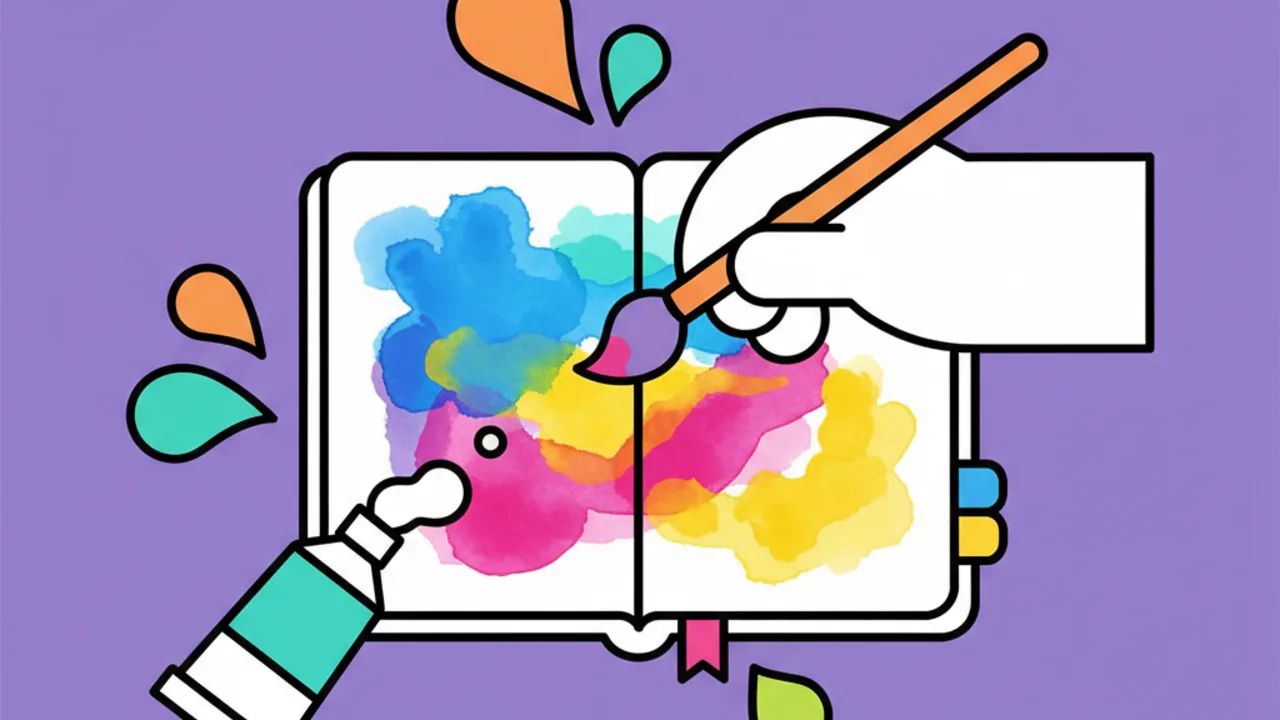
Level up your art with these practical watercolor tips for your Desenhando e Colorindo pages. Explore easy painting techniques to bring your creations to life! 🎨✨
Choosing the Perfect Paper for Watercolor
Before you dip your brushes into the paint, the first step to successfully painting your printable coloring pages with watercolor is choosing the right paper. Watercolor requires water, and standard printer paper can easily wrinkle or tear under too much moisture.
To get the best results on your coloring sheets, we recommend printing Desenhando e Colorindo artwork on heavier weight paper, such as Canson or specific mixed media papers of at least 180g/m² to 300g/m² (approx. 90lb to 140lb).
If you are using a standard inkjet printer, make sure the ink is completely dry before you start painting to prevent the black outlines from smudging. Another great tip is to use laser printers, as their toners are water-resistant, ensuring your kids' line art stays crisp and clear.
Recommended Paper Types
- 180g paper (more budget-friendly for kids).
- 300g cold-pressed paper (ideal for professional techniques).
- Matte offset paper (can handle light layers of water).
Basic Supplies to Start Coloring
You don't need a pricey professional kit to bring your free drawings to life. The basics include a set of watercolor pans or tubes, two or three brushes of different sizes (round and flat), and two jars of clean water.
Keeping two water containers is a pro-artist secret: one for rinsing your dirty brush and another for picking up clean water to dilute the paint. This keeps your colors vibrant and prevents your printed digital coloring book from looking gray or muddy.
Also, always keep a paper towel or a cotton cloth handy. They are perfect for controlling the amount of water on your brush and for fixing small mistakes by blotting excess paint directly off the page while it's still wet.
The Wet on Dry Technique
This is the most common technique for those starting out with watercolor coloring activities. It consists of applying wet paint onto dry paper. This gives you much more control over where the color goes, making it perfect for small details in cute drawings.
By using wet on dry, you can achieve sharp, clean edges. If you print a character design with lots of tiny details, this technique allows you to fill each space without the paint bleeding into neighboring areas, keeping your painting neat and organized.
Pro Tip: Always start with the lightest colors. In watercolor, it’s easy to darken an area, but it’s almost impossible to lighten it once the pigment has dried on the paper.
Exploring the Wet on Wet Technique
To create soft backgrounds, skies, or gradients in your educational drawings, the wet on wet technique is the perfect choice. First, you run a brush with just clean water over the area you want to color, and then you touch the tip of your paint-filled brush to that wet surface.
The effect is magical: the pigment spreads in a fluid, organic way, creating soft transitions. This technique is wonderful for coloring nature elements, like the ocean or clouds, which you can find in our themed coloring pages section.
Just remember not to soak the paper too much. The goal is for the paper to have a slight sheen under the light, not deep puddles that could damage the wood fibers and warp your finished art.
How to Create Gradients and Layering
Watercolor is an art of patience. To add depth to printable coloring pages, we work in layers. Once the first layer is completely dry, you can apply a second layer of the same color or a different one on top.
This allows you to create realistic shadows. For example, if you're coloring an animal, you can use a light base layer and then add darker tones in the shaded areas. The transparency of watercolor allows the bottom layer to shine through the top one, creating a unique visual richness.
Step-by-Step for a Perfect Gradient
- Wet the area with clean water.
- Apply the most saturated color to one edge.
- Use a clean, damp brush to gently pull the color to the other side.
- Let it dry naturally to avoid streaks from forced drying.
Using AI-Generated Art and Professional Line Art
Many people are now looking for AI drawings to get more complex and detailed outlines. At Desenhando e Colorindo, we curate art that works perfectly with liquid painting techniques, ensuring spaces are well-defined.
Modern kids' line art offers a variety of styles, from minimalist drawings to complex mandalas. Watercolor adapts to all of them, allowing children or adults to experiment with everything from solid fills to grainy textures and splatter effects.
You can also try online coloring on our site to test color combinations before moving to physical paper. This helps you plan your palette and prevents wasting expensive art supplies while you practice your skills.
Tips for Printing and Finishing Your Art
When choosing your drawings to color, check if the lines are thick enough if you are a beginner. Thicker lines help contain the water. If you choose more delicate designs, you will need precision brushes (sizes 00 or 0).
Once your watercolor painting is finished, let it dry on a flat surface. If the paper curled a bit, you can place it between two heavy books after it's completely dry to flatten it back out. This turns your activity sheet into a true piece of art worthy of a frame.
Conservation Tips
Avoid leaving your painting in direct, strong sunlight for too long, as some student-grade watercolor pigments can fade. Store your colored printable art in folders or portfolios to preserve the brightness of the colors for years.
Frequently Asked Questions
Can I use watercolor on regular printer paper?
It's not recommended. Standard printer paper (usually 20lb) is too thin and will wrinkle, tear, or allow the water to bleed through, ruining the painting experience.
What is the best brush for kids to start with?
Synthetic round brushes in medium sizes (number 6 or 8) are the most versatile. They hold a good amount of water and allow for both broad strokes and fine points.
How do I keep colors from looking muddy or gray?
The secret is to change your water jar frequently and clean your brush well before switching colors. Avoid mixing too many complementary colors (like red and green) directly on the paper.
Where can I find good drawings for watercolor?
At Desenhando e Colorindo, we have a vast collection of free printable coloring pages with various themes that provide great spaces for applying water-based painting techniques.
Conclusion
Painting with watercolor is a relaxing and educational activity that transforms simple sheets of paper into vibrant creations. Now that you know the main techniques, like wet on dry and the importance of paper weight, you’re ready to explore the full potential of our coloring pages. Don't wait—pick your favorite themes at Desenhando e Colorindo right now. Visit our gallery, find countless printable drawings, and start practicing your art and boosting your creativity today!
Escrito e revisado por Armando Amaro
Fundador do Desenhando e Colorindo. Todo artigo passa por curadoria e revisão humana antes de ser publicado.