Mastering Intricate Coloring: Tips for Staying Inside the Lines
21 de agosto de 2026
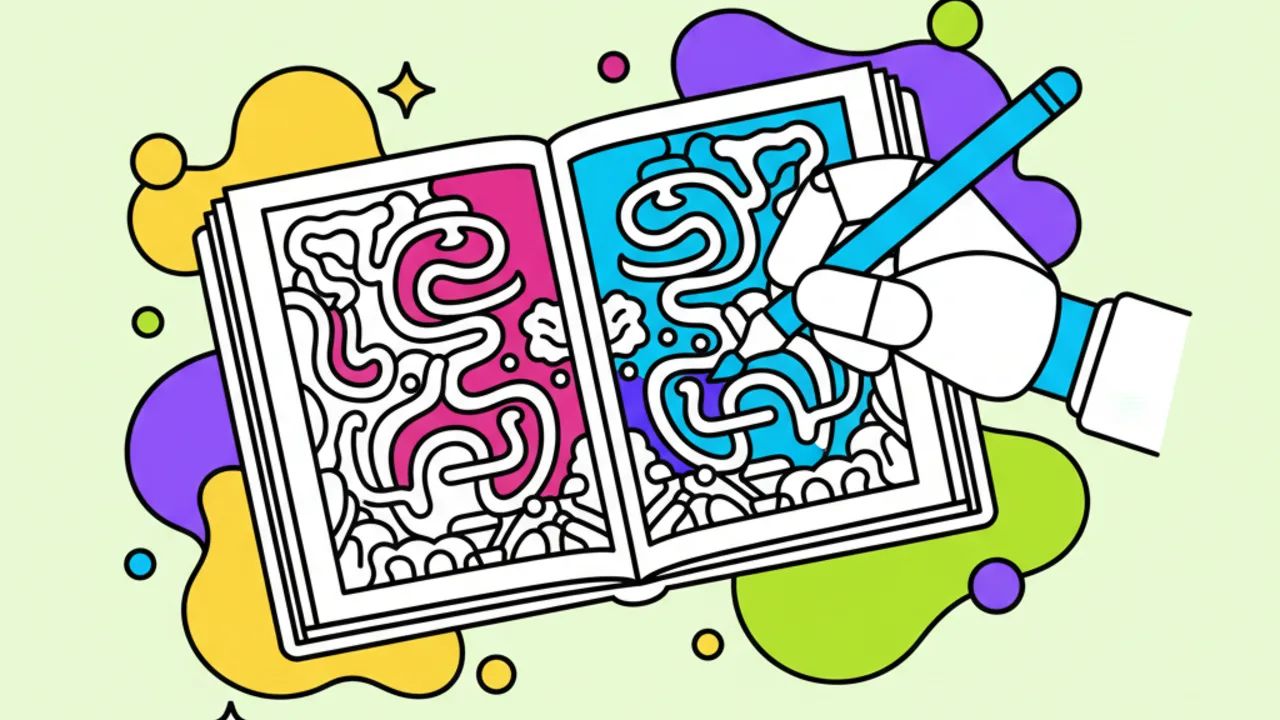
Learn practical techniques for coloring complex designs at Desenhando e Colorindo. Discover how to maintain precision and avoid smudging on your coloring pages.
Coloring is one of the most relaxing and therapeutic activities out there, but when we face coloring pages with tiny details and intricate lines, the challenge of staying precise increases. At Desenhando e Colorindo, we know that the quest for perfection in printable coloring sheets is what motivates many artists, from kids developing motor skills to adults looking for a detailed hobby. To avoid smudging and ensure your art looks flawless, it's essential to understand that technique starts long before the pencil even touches the paper.
Often, the most common mistake is trying to fill in small areas in a rush. Patience is the number one tool for anyone wanting to master complex children's line art or detailed mandalas. Additionally, choosing the right supplies and setting up your environment directly influences the final result, allowing colors to stay vibrant while respecting the boundaries of the printable art you've chosen.
The importance of choosing the right supplies for detailed drawings
To color small areas without going outside the lines, the tip of your coloring tool is crucial. If you use colored pencils, the tip must always be very sharp. For those who prefer to color online or use felt-tip markers, pressure control is what determines if the ink will bleed past the outline or not. At Desenhando e Colorindo, we recommend always testing your paper's porosity before starting a more complex piece.
Hard-lead colored pencils
There are different types of pencil cores. For complex details, pencils with harder leads (classified as H) are excellent for outlining edges, while softer pencils (B) can be used to fill in the center. This technique prevents graphite or pigment from spreading to unwanted areas of your educational drawings.
Fine-tip pens (Fineliners)
If you like a more vibrant finish, 0.4mm or 0.3mm fine-tip pens are your best allies. They allow you to fill in sharp corners that a thick pencil could never reach. When using these pens in your coloring activities, remember not to let the tip rest on the paper, as the fibers can soak up excess ink and cause a smudge.
Pro tip: Keep a sheet of plain paper under your hand while you paint. This prevents skin oils or sweat from smudging the areas you've already colored on your printed digital coloring book.
Positioning techniques and hand control
The way you hold the pencil determines 90% of your success when filling in cute drawings with lots of details. For large areas, we hold the pencil further from the tip for broad movements. For complex drawings, your grip should be closer to the tip, ensuring total control over the stroke.
Rotating the paper is one of the pros' secrets. Never try to outline a difficult angle by forcing your wrist. Instead, rotate the Desenhando e Colorindo sheet so your hand movement is always natural—top to bottom or left to right (if you're right-handed). This drastically reduces the chances of going outside the lines.
The pre-outlining method
Before filling in the center of a small detail, create an inner outline right against the black line of the drawing. Use light pressure and make sure there are no gaps. Once you've created this "color barrier," filling the middle becomes a much safer and faster task, ideal for free coloring pages to print with nature or technology themes.
How to handle AI-generated drawings
With the advancement of AI-generated drawings available on our site, images have gained an unprecedented level of detail. Often, these drawings have shadows and cross-hatching that require a keen eye. When coloring these pieces, identify the light and shadow areas first before applying the main color.
AI creates patterns that can be mesmerizing. To avoid getting lost, try coloring in sections. If you're painting a magic forest, finish all the leaves before moving on to the flowers. This creates visual unity and helps maintain focus, preventing you from smudging a wet area while trying to reach another part of the paper.
- Always start from lighter colors and move to darker ones.
- Keep a sharpener nearby to ensure precision.
- Use low-tack tape to fix the paper to the table.
- Test color combinations on a separate piece of paper.
How paper affects painting precision
Many people print coloring pages on standard printer paper (20lb/75g). While it works for small kids, for those looking to color without smudging, a higher weight paper (24lb or 32lb / 90g or 120g) is ideal. The paper's texture, known as "tooth," holds the pencil pigment better, preventing it from sliding out of the line art.
If you're using alcohol-based markers, standard paper will cause the ink to bleed sideways, overshooting any border. In these cases, look for specific marker paper or smooth cardstock. This ensures the color stays exactly where you put it, preserving the sharpness of your educational drawing.
Drying and patience
Depending on the humidity in your area, the drying time for inks and pens can vary. Avoid rubbing your hand over freshly painted areas. If you are using mixed media, like watercolor and pencil, make sure the paper is 100% dry before applying pencil on top; otherwise, you'll tear the paper fibers and ruin the outline.
Essential tools for the coloring artist
Beyond pencils and paper, there are accessories that make life easier for those who love complex coloring activities. A desk lamp with white light helps you see the thinnest edges, especially in drawings with many overlapping lines.
Precision erasers (the ones that look like pens) are also essential. If you make a small slip, they allow you to erase only the mistake without removing color from neighboring areas. At Desenhando e Colorindo, we encourage using these tools to elevate the quality of your final art.
- Desktop magnifiers for microscopic details.
- Blending stumps (tortillions) for smooth transitions without smudging the outline.
- Fixative spray to protect the drawing after completion.
Frequently Asked Questions
How do I stop colored pencils from leaving dust and dirtying the drawing?
Pencil dust happens when we apply too much pressure or the pencil is too soft. To avoid a mess, blow away the excess periodically or use a large, dry brush to sweep away residues without rubbing your hand over the paper.
What is the best pen for outlining complex drawings?
Disposable technical pens or fineliners with waterproof pigment ink are the best. They dry fast and won't smudge if you decide to use watercolors or markers over them once they're dry.
Can children color complex drawings without smudging?
Yes, as long as the activity is appropriate for their age. Starting with drawings that have thicker lines helps develop the coordination needed to later tackle thinner, more detailed line art.
What should I do if my marker bleeds through the paper?
This happens due to low paper weight. Always place a scrap sheet or a plastic mat under the page you are coloring to protect the next pages of your digital coloring book or your table.
Conclusion
Coloring complex drawings is a journey of patience and technique that results in incredible works of art and a much more relaxed mind. By following these tips on posture, material choice, and filling methods, you'll transform any coloring page into a professional project. Remember that practice makes perfect, and every drawing is an opportunity to improve your motor skills. Now that you know how to maintain total precision, take a moment to explore our vast library at Desenhando e Colorindo, pick your favorite themes, and start printing for free right now to put all this knowledge into practice!
Escrito e revisado por Armando Amaro
Fundador do Desenhando e Colorindo. Todo artigo passa por curadoria e revisão humana antes de ser publicado.