Educational Drawings: How to Draw and Color Land Animals
06 de novembro de 2026
Learn how to draw land animals with our practical guide. Download free printable coloring pages and have fun exploring wildlife through art and color!
The Importance of Observation in Land Wildlife
To start creating free coloring pages that faithfully portray wildlife, the first step is observation. Land animals have varied anatomical structures, from the bulk of an elephant to the agility of a feline. Understanding these basic shapes helps when sketching line art for kids or professionals.
Observing the movement of animals can serve as inspiration for creating more dynamic coloring activities. When looking at a photo of a lion or a wolf, try to identify simple geometric shapes: circles for the head and ovals for the body.
Mastering these initial forms is what sets a common drawing apart from a true educational masterpiece. At Desenhando e Colorindo, we focus on offering coloring sheets that help children identify these silhouettes while having fun with colored pencils.
Identifying Bone and Muscle Structure
Even in cute drawings, the structure beneath the skin matters. Four-legged animals have specific joints that determine how they sit or run. When drawing a horse, for example, pay attention to the curve of the hind legs, which is fundamental to conveying a sense of movement in your printable art.
Educational drawings gain value when we explain that anatomy varies by habitat. Savannah animals often have long legs, while animals from dense forests might be more compact. This directly influences how you will color shadows and lights later on.
Step-by-Step: How to Draw Savannah Animals
The African savannah is one of the most searched themes in our digital coloring book. To draw a giraffe, start with a long, thin neck connected to a tilted body. Use light lines so that, when you finish the line art, the drawing is clean and ready for the vibrant colors of a sunset.
For the elephant, the secret lies in the ears and the trunk. Draw large side flaps and a flexible cylindrical shape for the trunk. Remember that elephant skin has many textures, which is excellent for practicing shading techniques with graphite before moving on to coloring for kids.
Here are some essential elements that shouldn't be missing from your savannah drawings:
- Skin Textures: Spots, stripes, and skin folds increase realism.
- Environment: Include acacia trees and tall grass to contextualize the land animal.
- Proportion: Compare the animal's size with elements of the scenery, like rocks or trees.
- Expression: Expressive eyes make coloring pages more captivating for children.
Pro Tip: When printing your free coloring sheets, opt for paper with a weight above 120g if you plan to use markers or watercolors. This prevents the ink from bleeding through and ruining your final art.
Line Art Techniques for Forest Animals
Tropical forests are home to animals with complex color patterns, like jaguars or golden lion tamarins. To create efficient line art, focus on the outer contours first. Don't worry about the internal details of the spots right away; define the body volume to ensure the animal looks three-dimensional.
AI-generated drawings can also serve as a base for you to understand how shadows behave in dense forest environments, where light is filtered by the tree canopies. Use fine hatching to indicate deep shadow areas in your manual coloring activities.
Using Colors and Contrasts in Wildlife
Coloring land animals requires a palette ranging from earthy tones and greens to warning colors (like the yellow and black of certain frogs or cats). At Desenhando e Colorindo, we encourage the use of watercolor pencils to create smooth transitions between the fur and the environment.
If you are using our online coloring tools, try out the gradient features. They simulate the color variations found in the fur of wolves and bears very well, giving your work a professional look without needing expensive materials.
Domestic vs. Wild Animals
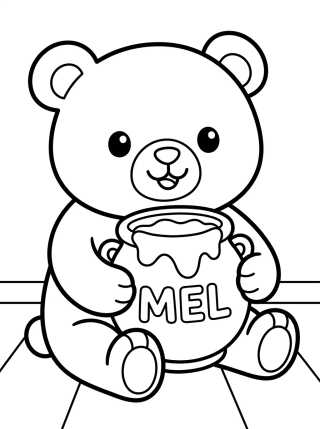
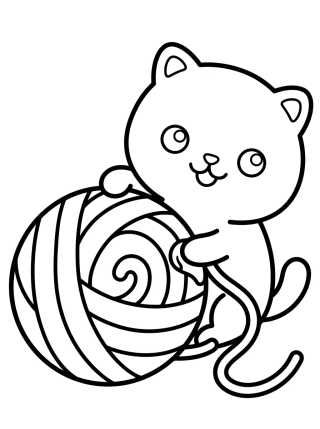
There is a technical difference when drawing a house cat versus a tiger, even though both are felines. The cat has rounder, gentler lines, ideal for cute drawings that kids love. The tiger, however, requires more tense and muscular lines, conveying power and wildness.
Offering both styles in coloring pages helps develop students' visual perception in the classroom. Teachers can use these drawings to explain the evolution of species and domestication, blending art and biology into a single educational activity.
- Cats and Dogs: Focus on cuteness and domestic settings.
- Big Cats: Focus on muscular anatomy and camouflage patterns.
- Bears and Wolves: Exploring thick, voluminous fur textures.
- Land Reptiles: Practicing scales and repetitive geometric patterns.
How to Organize a Personalized Coloring Book
A great way to encourage a drawing habit is to create your own album. You can select various free printable coloring pages from our site and bind them by themes, such as "Rainforest Animals" or "Desert Creatures."
Having a physical volume helps a child see their progress over time. Starting with simple drawings of geometric shapes and evolving into complex scenes with backgrounds and multiple characters. This progression is the foundation of solid artistic learning.
Tips for High-Quality Printing
To ensure your experience with printable art is perfect, always check your printer settings. Select "Best Quality" mode and make sure the image is scaled to the print area so the edges of the line art don't get cut off.
If you plan to color with gouache or acrylic paint, regular printer paper may not be enough. In these cases, printing on cardstock or Canson paper cut to A4 size is the best option to ensure the durability of your artistic work.
Exploring Creativity with Educational Drawings
The act of coloring goes beyond just filling in spaces. It is an exercise in focus, patience, and fine motor skills. When we offer coloring pages of land animals, we are also teaching about biodiversity and respect for wildlife.
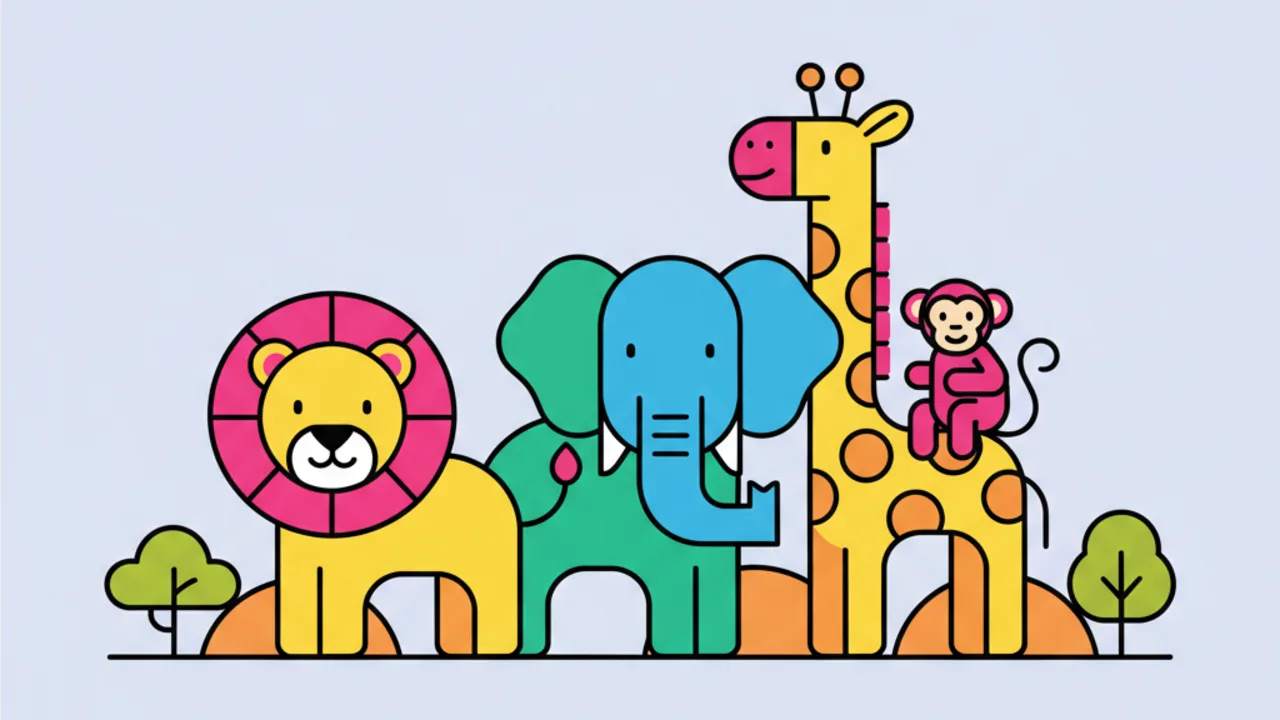
Encourage the little ones to research the real colors of animals before painting, but also give them the freedom to create fantastic versions. Who says an elephant can't be blue with green polka dots? Creativity has no limits in the world of Desenhando e Colorindo.
Teacher Tip: Use the printable drawings as a starting point for writing prompts. Ask students to describe the habitat of the animal they just colored, integrating art and language skills.
The Revolution of AI-Generated Drawings
Currently, technology allows us to generate incredible line art for kids through algorithms. This expands theme possibilities, ensuring we always have something new in our gallery. However, the human touch in choosing colors and finishing the drawing remains irreplaceable.
At Desenhando e Colorindo, we combine the innovation of AI-generated drawings with manual curation to ensure all images are age-appropriate and easy to color, without overly complex lines that might frustrate beginners.
Frequently Asked Questions
How do I download the coloring pages?
To download our drawings, simply click on the desired image to open the high-resolution version and select the save or print option directly from your browser. All content is free.
What is the best material for coloring the pages?
It depends on your goal. Colored pencils are ideal for details and gradients, while crayons are excellent for younger children because they are easier to handle and cover large areas quickly.
Can I use the drawings in school projects?
Yes! Our educational drawings are perfect for classroom use, pedagogical boards, and extracurricular activities. Feel free to print as many copies as you need.
Do the online coloring pages work on mobile?
Yes, our online coloring platform is fully responsive and works perfectly on tablets and smartphones, allowing you to paint your favorite animals anywhere.
Conclusion
Learning to draw and color land wildlife is a fascinating journey that combines fun and knowledge. With the right observation techniques and materials, anyone can transform a blank sheet into a wild scene full of life. Don't waste time—start your collection right now: pick your favorites, grab your pencils, and enjoy our free printable coloring pages to let your imagination soar!
Escrito e revisado por Armando Amaro
Fundador do Desenhando e Colorindo. Todo artigo passa por curadoria e revisão humana antes de ser publicado.