Mastering Light and Shadow in Kids' Coloring Activities
26 de agosto de 2026
Discover simple light and shadow techniques to level up your coloring game. Learn how to add depth and realism to your favorite printable coloring pages.
Light and Shadow Fundamentals for Coloring Pages
Understanding how light interacts with objects is the first step toward transforming simple coloring pages into true three-dimensional masterpieces. When children start coloring, their natural tendency is to fill spaces with solid, flat colors. However, introducing the concepts of light and shadow helps develop spatial perception and fine motor skills.
At Desenhando e Colorindo, we believe every coloring page is a learning opportunity. To start, imagine there’s a flashlight pointed at your drawing. Where the light hits first, the color should be lighter. Where the light can't reach, we apply darker tones. This simple kids' line art technique creates the illusion of depth.
During these late summer afternoons, you can take advantage of quieter moments to practice these techniques on our educational drawings. Consistent practice is what leads to perfection, and there’s no better place to make mistakes and learn than in a digital coloring book or a printed one, where fun is the main focus.
Pro tip: Before you start coloring, draw a tiny 'X' in the corner of the page to represent the sun or a lamp. This will help you remember which side the light is coming from throughout the entire process.
Ideal Materials for Shading Free Printable Drawings
To apply light and shadow techniques effectively, the choice of materials makes all the difference. While standard colored pencils are the favorite, there are other tools that can make learning easier in your coloring activities. The secret lies in the ability to blend colors and create smooth gradients.
Many parents ask which items are best to use on our printable art. The answer depends on the level of detail you want to achieve. For beginners, the focus should be on the pressure applied to the paper, varying from a light touch for highlighted areas to a firmer touch for shadows.
- Watercolor pencils: Great for creating soft shadows with the help of a damp brush.
- Chiseled crayons: Excellent for covering large shadow areas quickly.
- Blending stumps or cotton balls: Essential tools for smoothing the transition between light and shadow in line art.
- Dual-tip markers: These allow you to layer colors, increasing the intensity of the shadow.
The Importance of Paper in Coloring Techniques
The paper weight directly influences the final result of your free printable drawing. Thin paper can tear if you apply too many layers of color. We recommend using 90g or 120g (24lb to 32lb) offset paper so the shading technique stays crisp without unwanted smudges.
Identifying Light Points in Kids' Line Art
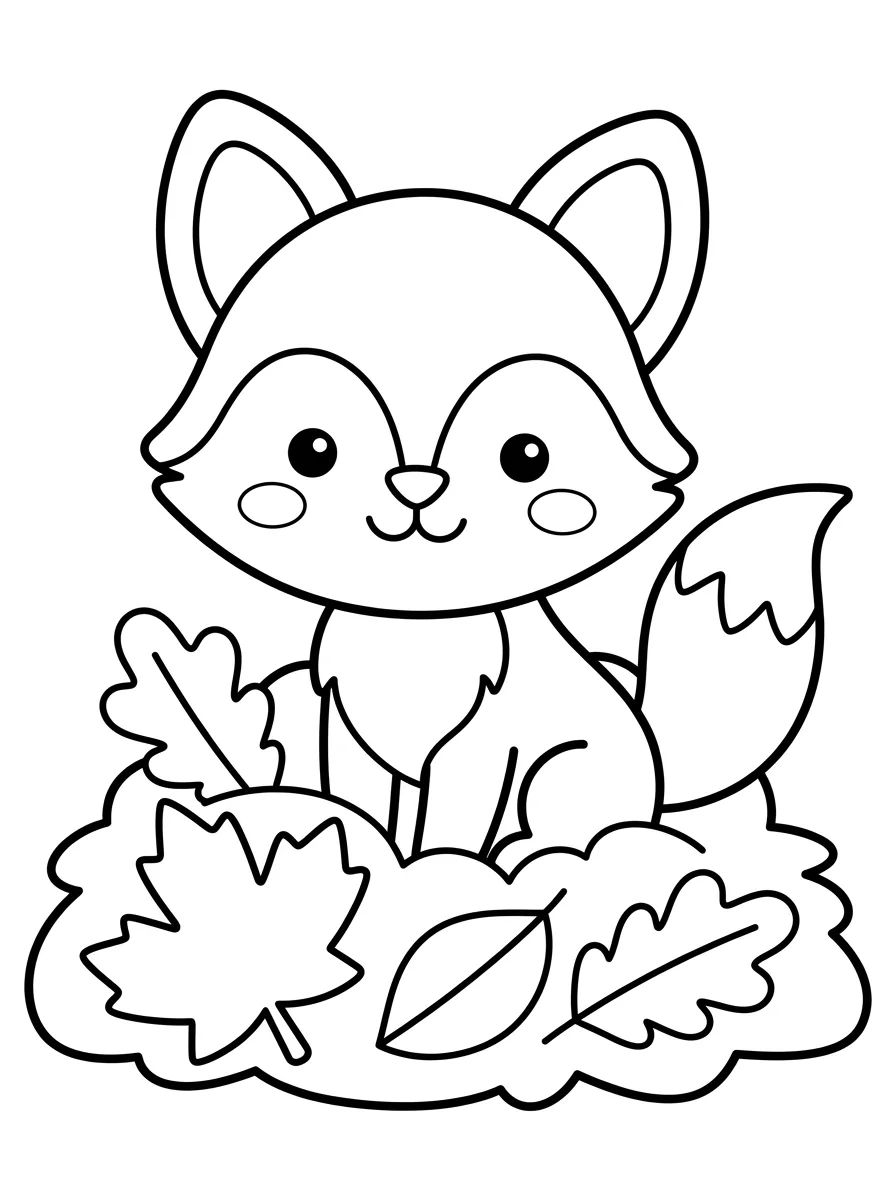
Identifying where light falls is an observation exercise. In cute drawings of animals, for example, the top of the head and the back are usually the lightest areas. Meanwhile, the bottom of the belly and the inside of the ears are protected from the light, receiving the shadow.
When working with coloring pages, try to mentally divide the drawing into parts. If you are coloring an apple, the light will create a small white or near-white spot at the top. As the surface of the fruit curves away from the light, the color gradually darkens until it reaches the base.
This transition is called a gradient. Mastering gradients is essential for those looking to color for kids in a more professional or educational way. It’s an excellent way to teach physics and light in a playful and visual manner, using the Desenhando e Colorindo collection.
Hatching Techniques for AI-Generated Drawings
Hatching consists of parallel or crossed lines that create a shadow effect without the need for blending. This technique is very common in AI-generated drawings that have more modern and detailed strokes. It is a stylized way to add volume to characters and settings.
There are different types of hatching you can apply to your coloring pages:
- Simple Hatching: Diagonal parallel lines, ideal for light shadows.
- Cross-Hatching: Overlapping lines in different directions, creating dense, deep shadows.
- Stippling: Using small dots close to each other to create dark areas, a technique often used in complex printable art.
- Contour Hatching: Lines that follow the curvature of the drawing, reinforcing 3D volume.
How to Apply Hatching in Educational Drawings
For kids, hatching can be taught as "little rain." Ask them to make small strokes where the shadow should be. This not only improves painting technique but also hand movement precision, making it one of the most complete coloring activities for cognitive development.
Creating Depth with Analogous Colors
Shadows don't always have to be gray or black. In fact, using darker colors from the same family (analogous colors) makes the coloring drawing much more vivid and interesting. If you are painting a green leaf, use a dark green or navy blue for the shadow areas.
This technique is widely recommended in our online coloring and offline tutorials. By avoiding pure black in shadows, you maintain the vibration of the original colors of the kids' line art. Try mixing purple with blue for a night sky or dark orange over yellow for a voluminous sunset.
Desenhando e Colorindo offers thousands of options where you can test these color combinations. Remember that color theory goes hand-in-hand with light and shadow techniques to elevate the quality of your digital coloring book.
Cast Shadow vs. Form Shadow
To master coloring pages, it’s vital to understand the difference between form shadow and cast shadow. Form shadow is the one on the object itself (the dark side of a ball). Cast shadow is the dark trail that the object leaves on the ground or other surfaces.
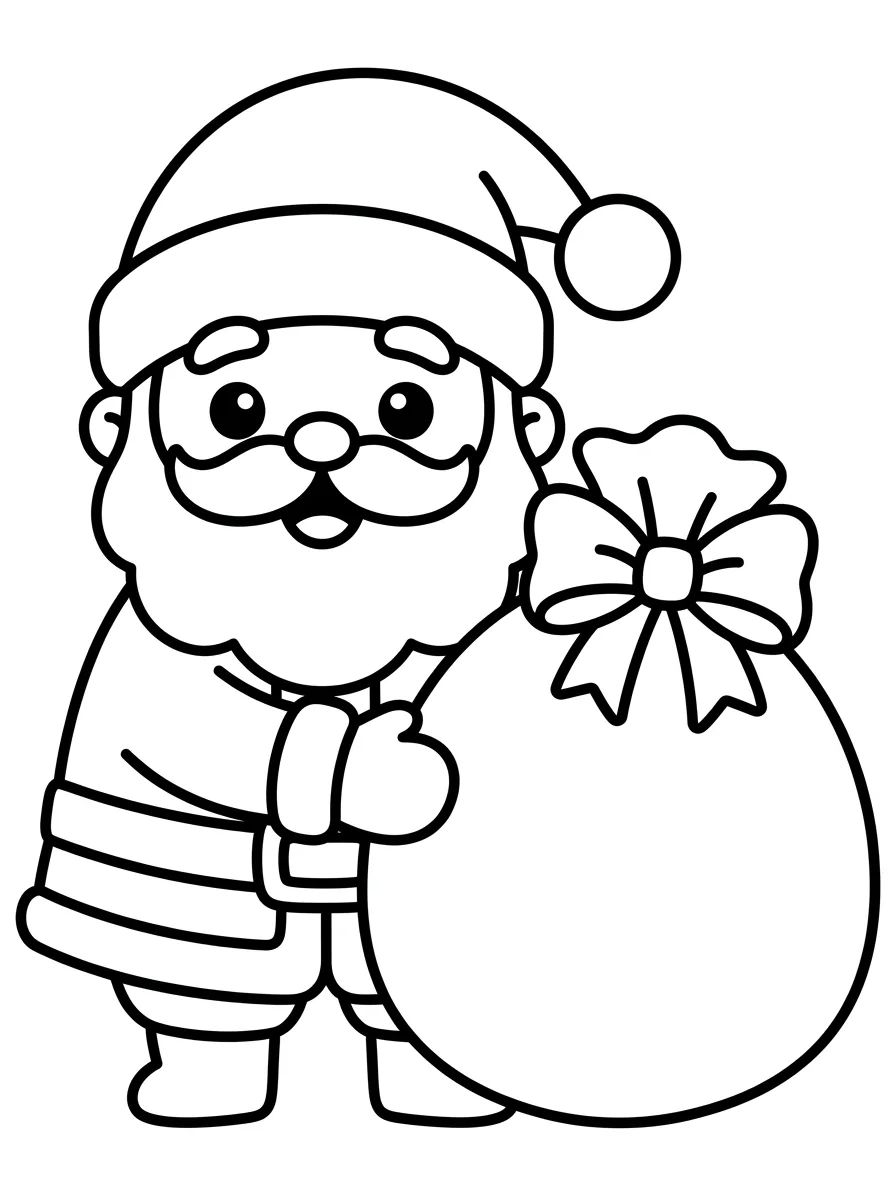
When printing cute drawings of characters standing up, adding a small cast shadow at their feet makes them look like they are actually on the ground, rather than floating on the paper. This adds instant realism to any free printable drawing.
Pro tip: To make natural cast shadows, use a light gray pencil and make very soft circular motions at the base of the drawing, spreading slightly outward.
The Role of Technology: AI-Generated Drawings
Currently, the use of AI-generated drawings has revolutionized how we create line art. AI can generate images with clear indications of where the light should be, making it easier for those learning how to color. At the Desenhando e Colorindo website, we use this technology to provide perfect bases for your studies.
These tools allow for the creation of complex scenarios where light and shadow are already suggested by the strokes of the drawing. This is ideal for advanced coloring activities or for adults looking for a therapeutic and detailed hobby through painting.
Tips for Teachers: Teaching Volume in the Classroom
Teachers can use our educational drawings to explain concepts of geometry and physics. By coloring a sphere, a cube, or a cylinder, students visualize in practice how light behaves on different surfaces. It’s a tactile way to absorb theoretical knowledge.
We suggest printing several copies of the same kids' line art and asking students to color each one with the light coming from a different side (left, right, top). This exercise reinforces the material and stimulates creativity, turning coloring into a full art class.
Frequently Asked Questions
How do I know where to put the shadow in a drawing?
Pick an imaginary point where the light is coming from. The shadow will always be on the opposite side of that point. If the light comes from the right, the shadow should be on the left of every element in the drawing.
Can I use black to make shadows on coloring pages?
You can, but it’s best to use darker tones of the main color. Black can make a drawing look "muddy" if not used sparingly. Prefer shades of brown, blue, or purple for more natural-looking shadows.
What is the best pencil for shading coloring activities?
Pencils with soft leads (like B, 2B, or 4B) are excellent for shading because they release more pigment and make it easier to create smooth gradients in your printable drawings.
Does online coloring help in learning light and shadow?
Yes, many online coloring tools have automatic gradients that help you understand how color transitions work, serving as a great reference before moving to physical paper.
Now that you know the best light and shadow techniques, how about putting them into practice? Browse through the categories at Desenhando e Colorindo, choose your favorite free printable coloring pages, and start bringing volume and life to your art. Let your imagination run wild and have fun transforming every page into a unique masterpiece!
Escrito e revisado por Armando Amaro
Fundador do Desenhando e Colorindo. Todo artigo passa por curadoria e revisão humana antes de ser publicado.