Mastering Observation: Creating Unique Coloring Pages
27 de agosto de 2026

Learn how to observe objects in detail to create unique printable coloring pages. Improve your line art with observation techniques at Desenhando e Colorindo.
The Art of Seeing Before Sketching Your Coloring Page
To create free printable coloring pages that truly stand out, the first step doesn't happen on paper, but rather through your eyes. Detailed observation is the foundation of any kids' line art or professional piece. When we pause to analyze a real object, we begin to notice shapes that previously went unnoticed.
When observing a simple object, like a fruit or a toy, you should ask yourself: what are the basic geometric shapes that compose it? Seeing the world through circles, squares, and triangles makes the transition to coloring sheets easier. At Drawing and Coloring, we encourage this practice so your creations have depth and clarity.
Careful observation allows the artist to capture the essence of what they want to represent. If you're creating cute drawings for kids, understanding how light falls on the object helps define where lines should be thicker or thinner, creating a perfect visual guide for those who will color online or on paper.
Identifying Geometric Shapes in Everyday Objects
Many beginners make the mistake of trying to draw the entire object at once. The secret to a good digital coloring book is decomposition. Everything around us can be reduced to simple shapes. A mug is a cylinder; an apple is a slightly flattened sphere.
Training your eye to initially ignore complex details is essential. Focus on the outer contour, the silhouette. This silhouette will be the main boundary of your coloring drawing. Once you master the basic structure, filling it in with line art becomes a much more fluid and natural process.
Practical Tip: Squint your eyes a little when looking at the object. This helps blur the details and highlight only the masses of light and shadow, making it easier to identify the main shapes for your sketch.
Proportion and Scale Techniques for Printable Art
Maintaining correct proportion is what differentiates an amateur drawing from professional art ready for free printing. Use your pencil as a visual ruler to measure height in relation to width. If the base of the object is half its total height, this proportion should be maintained on your coloring page.
Coloring activities become much more engaging when elements are in harmony. If you're drawing a scene with multiple objects, observe the distance between them (negative space). This space is just as important as the object itself for creating a balanced and pleasant composition for children.
The Role of Light and Shadow in Creating Line Art
Although a drawing for coloring is primarily composed of lines, light influences where these lines should be applied. In areas where light hits directly, lines can be thinner or even nonexistent. Where there is dense shadow, a thicker line helps add volume.
This technique is fundamental for those who want to create educational drawings. By showing where the shadow would be, you implicitly teach notions of three-dimensionality to little ones as they have fun coloring for kids. Light defines volume, and volume defines the life of your drawing.
Tools and Materials to Transform Observation into Drawing
To turn what you see into something everyone can print and color, the choice of tools is vital. Start with soft pencils for sketching and ink pens or digital tools for the final line art. At Drawing and Coloring, we value the precision that technology offers.
- Heavyweight paper: Ideal for those who like to use markers or watercolors after printing.
- HB and 2B pencils: Perfect for outlining initial geometric shapes without damaging the paper.
- Kneaded eraser: Removes excess graphite without leaving residue on your printable art.
- Illustration software: Useful for creating AI-generated drawings or digital refinement.
- Drawing board: Keeps the paper steady, ensuring your strokes are continuous and clean.
The Use of Technology and AI in the Creative Process
Today, modern tools allow us to take observation to a new level. AI-generated drawings can serve as a reference base. You observe a real object, describe it to the AI, and use the result as a guide to refine your own kids' line art.
This integration between human and digital enhances creativity. At Drawing and Coloring, we use these technologies to offer printable coloring pages that are unique, always maintaining the artistic touch that only detailed human observation can capture.
How Details Enrich the Online Coloring Experience
After defining the structure and volume, we move on to details. Textures (like wood grain or the shine of metal) make the coloring drawing engaging. For children, these small details are opportunities to use different colors and techniques.
When creating a coloring page, think about the end-user. Very small spaces can be frustrating for younger children, while very large areas might seem empty. The balance lies in observing the object and simplifying its details into repetitive and fun patterns.
Step-by-Step Guide to Observing and Drawing from Scratch
Follow this simple guide to ensure your next creation at Drawing and Coloring is an absolute hit with parents and teachers.
- Choose the object: Start with something static and with clear shapes.
- Analyze angles: Rotate the object and choose the angle that best represents its function.
- Gesture sketch: Make quick lines to capture the movement and energy of the object.
- Edge refinement: Transform the sketch into clean, defined line art.
- Print test: Always print your art to check if the lines are visible for coloring for kids.
The Importance of Educational Drawings in Child Development
Drawing from observation stimulates fine motor skills and spatial perception. When we offer educational drawings based on reality, we are helping children understand the world around them. It's a form of visual literacy that starts with a simple coloring pencil.
The act of coloring online or on printed paper requires focus and patience. By observing the object beforehand, the artist conveys this calm to the paper, resulting in cute drawings and well-structured pieces that invite the audience to spend hours relaxing with the activity.
Frequently Asked Questions
How can I improve my observation skills for coloring pages?
The best way is to practice blind contour drawing: try to draw the object without looking at the paper, focusing only on your eyes following the edges of the real object.
What is the best type of line for a free printable drawing?
We recommend continuous and well-defined black lines. Avoid smudged or gray strokes, as they don't print well on most home printers.
Can I use photos as references to create line art?
Yes, photos are excellent references, but try to observe the object live whenever possible to better understand how light and shadow work in three dimensions.
How can I make my coloring pages more appealing to children?
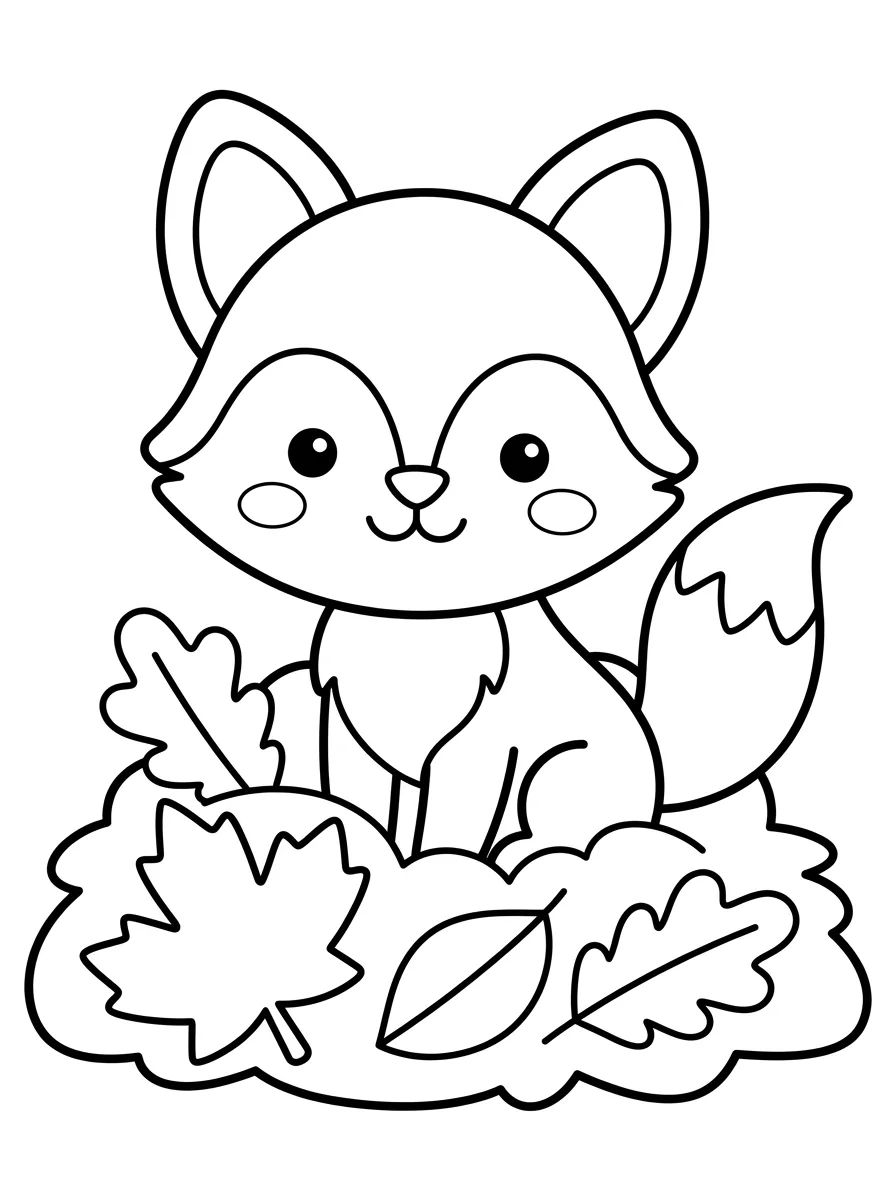
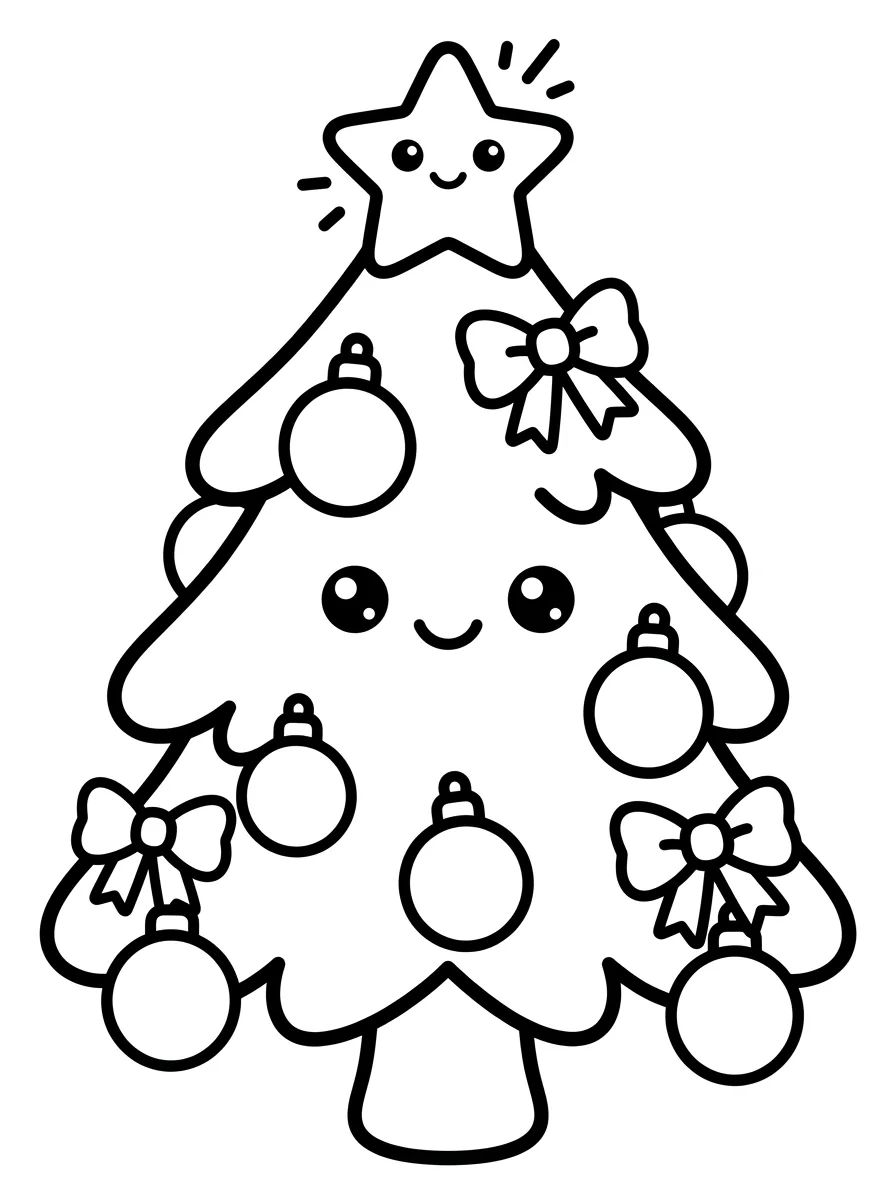
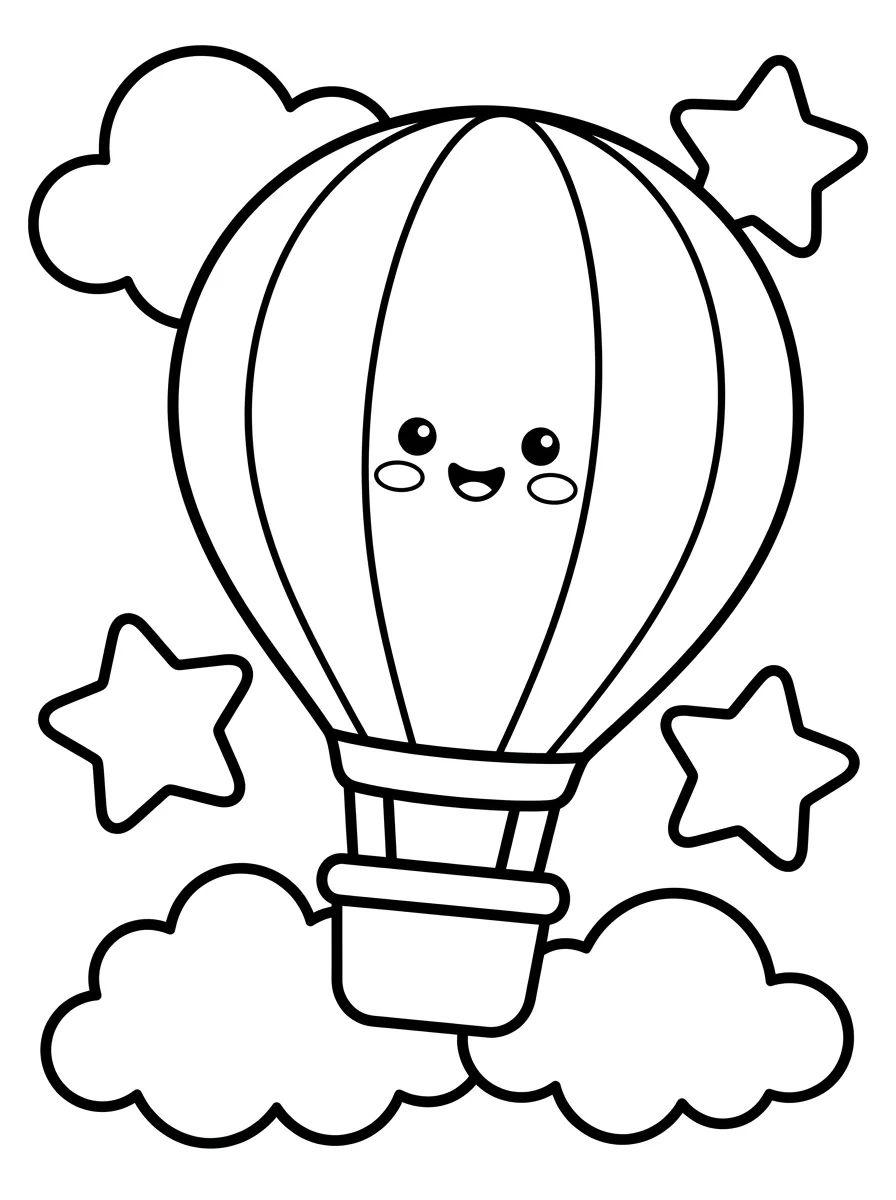
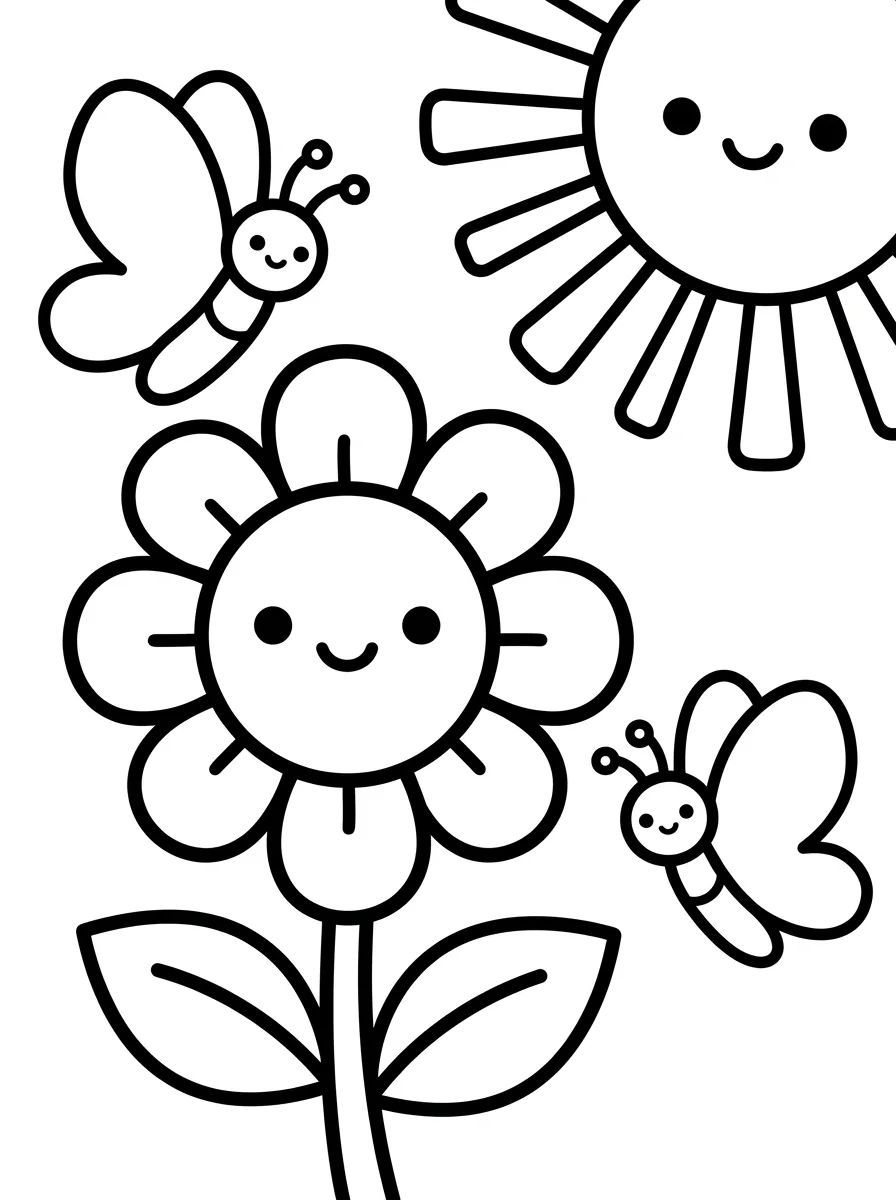
Use rounded shapes, large expressive eyes, and add playful elements around the main object to encourage the use of various colors.
Now that you've learned the importance of observing every detail before starting your work, how about putting this knowledge into practice? Explore our gallery, choose your favorite themes, and enjoy printing and coloring right now at Drawing and Coloring. Let your imagination run wild with the best coloring pages and turn your observation into art!
Escrito e revisado por Armando Amaro
Fundador do Desenhando e Colorindo. Todo artigo passa por curadoria e revisão humana antes de ser publicado.