How to Create Nature Drawings
31 de agosto de 2026
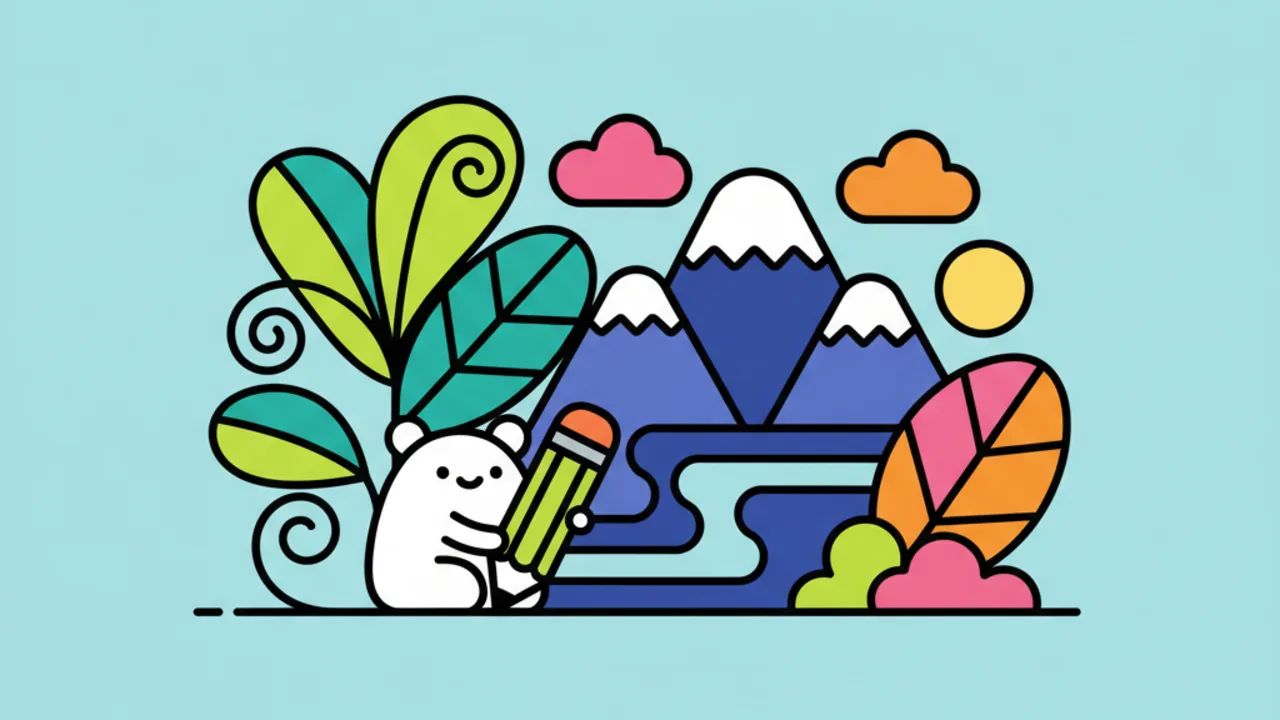
Discover how to create beautiful nature drawings for coloring and printing. Explore environment-inspired line art techniques to unleash your creativity! 🌿✨
Exploring the Richness of Nature Coloring Pages
Nature offers an infinite repertoire for those looking for free printable coloring pages. From the complexity of a leaf's veins to the vastness of a mountain landscape, organic shapes allow children and adults to explore shades of green, earth tones, and the vibrant colors of flowers.
By selecting coloring pages focused on natural elements, we stimulate not only fine motor skills but also visual perception of the world around us. It's a relaxing activity that works as therapy through both adult and kids' line art.
Whether you're looking for seasonal landscapes or exotic flora, capturing nature through your own strokes or downloading printable art is the first step to developing a personalized and lively digital coloring book.
Basic Line Art Techniques for Landscapes
To create great nature coloring drawings, the secret lies in varying line weight. Foreground elements should have thicker lines, while the background should be drawn with thin, delicate strokes.
The use of texture is fundamental in nature line art. Instead of just outlining a tree, try making small semi-circles to represent bark or quick, irregular lines to simulate grass. This makes coloring activities much more engaging.
If you prefer online coloring, these textures help define fill areas, making it easier to use paint bucket tools or digital brushes. Nature is imperfect, and it is this imperfection that brings beauty to educational drawings about the environment.
Pro tip: When printing your drawings, prefer heavier weight paper (like 28lb or 65lb cardstock) if you plan to use watercolors or markers, ensuring the ink doesn't bleed through and ruin your art.
Essential Elements for a Natural Scenery
For your cute drawings of nature to feel complete, it's important to include layers. A rich drawing generally contains three levels of depth: the immediate foreground, the middle ground, and the distant horizon.
When planning your coloring pages, consider including the following elements to bring the scene to life:
- Varied Vegetation: Mix round shrubs, tall trees, and ground cover to create contrast.
- Bodies of Water: Rivers, lakes, or small rain puddles add interesting reflections to be colored.
- Dynamic Skies: Include clouds of different shapes, the sun, or even a crescent moon to set the time of day.
- Small Creatures: Butterflies, birds, and ladybugs transform a simple landscape into a vibrant ecosystem.
How to Draw Realistic and Stylized Trees
There are many ways to represent trees in free printable coloring pages. You can go for a cartoon style with cloud-shaped canopies or a realistic style, detailing every individual branch and foliage.
The trunk should have a slightly wider base, giving a sense of stability. Exposed roots are great for adding kids' line art details, allowing children to paint shades of brown and moss around the tree's base.
Creating Mountains and Terrains
Mountains are excellent for filling the background of coloring activities. They don't have to be just perfect triangles; use broken lines and snowy peaks to add an extra level of detail that challenges the creativity of whoever is painting.
Using AI to Create Drawings
Currently, AI-generated drawings have made life much easier for parents and teachers. Image generation tools can create complex sketches of tropical forests or enchanted gardens in seconds, ready to be printed for free.
These tools allow you to generate variations of educational drawings that would be hard to find in traditional books. You can request a "winter flower garden" or a "forest with magic trees" and get unique line art for your coloring sessions.
Even when using technology, the human touch in choosing colors is what really matters. AI provides the structure, but the artist—whether a child or an adult—is the one who gives soul to the digital coloring book.
Benefits of Nature Coloring Activities
Painting elements of fauna and flora brings benefits beyond entertainment. For kids, educational drawings help with species identification and understanding the change of seasons.
For adults, focusing on coloring pages of natural mandalas or dense forests acts as a mindfulness exercise. The repetition of leaf and petal patterns calms the mind and reduces daily stress.
How to Organize Your Printable Drawing Collection
If you are a teacher or an art enthusiast, organizing your coloring sheets by category makes for quick access. Creating physical or digital folders helps keep the creative flow active.
We suggest the following organization for your free printable coloring pages:
- By Season: Spring (flowers), Summer (beaches), Fall (dry leaves), Winter (mountains).
- By Difficulty: Simple drawings for toddlers and detailed line art for adults.
- By Theme: Forest animals, under the sea, botanical gardens, and space landscapes.
- By Technique: Drawings for crayons, colored pencils, or digital watercolor (online coloring).
Pro tip: Use clear sheet protectors to store your printed drawings. This creates a visual catalog that kids can flip through to choose their next coloring adventure.
Exploring Colors and Shadows in Natural Elements
Nature isn't just one color. A lawn isn't just green; it contains shades of yellow, blue, and brown. When encouraging the use of coloring pages, guide the artist to mix colors to create depth.
Sunlight creates shadows that can be represented in educational drawings. If the sun is on the right, the left side of each tree or flower should be slightly darker. This simple concept transforms a regular printable art piece into a three-dimensional work of art.
The Magic of Flowers and Exotic Plants
Flowers like orchids, bromeliads, and sunflowers are popular themes in cute drawings. They allow for the use of vibrant, contrasting colors. Drawing the center of flowers with small dots or radial lines adds a special charm to kids' line art.
Frequently Asked Questions
What are the best materials for coloring nature drawings?
For coloring pages, colored pencils are the most recommended due to their versatility in blending shades. Alcohol-based markers are great for solid fills, while crayons are ideal for younger children starting their coloring activities.
Can I turn nature photos into coloring pages?
Yes! There are apps and software that convert photos into line art. This is excellent for creating personalized educational drawings of places you've visited or your own backyard, making it easy to get exclusive free prints.
How do I encourage kids to color nature themes?
A great strategy is to go for an outdoor walk and then offer coloring pages that match what they saw. This connects the real experience with the printable art, making learning much more playful and interesting.
Where can I find high-quality nature drawings?
At Desenhando e Colorindo, we offer a vast library of free printable coloring pages. All our art is optimized for A4 or Letter size printing, ensuring crisp lines for your coloring activities.
Nature is an inexhaustible source of peace and inspiration for all kinds of artists. Whether through cute drawings or complex landscapes, the act of painting connects us with the environment in a unique and creative way. Now that you know the best techniques, pick your favorite art on Desenhando e Colorindo, grab your pencils, and start bringing color to the world through our printable coloring pages today!
Escrito e revisado por Armando Amaro
Fundador do Desenhando e Colorindo. Todo artigo passa por curadoria e revisão humana antes de ser publicado.