Mastering Primary and Secondary Colors in Kids' Coloring Pages
01 de setembro de 2026
Learn how to mix primary and secondary colors in your favorite coloring pages to create vibrant, educational art projects with Drawing and Coloring.
Exploring the Color Wheel with Coloring Pages
At Desenhando e Colorindo, a wide variety of tones is what brings our art to life. Understanding primary and secondary colors is the first step toward turning simple sheets of paper into vibrant, personality-filled masterpieces.
For those looking for free printable coloring pages, mastering this theoretical foundation helps guide the hand of both children and adult enthusiasts, ensuring the final result is harmonious. Primary colors—blue, red, and yellow—are the base of everything we see in colored pencils and crayons.
When we mix these colors, secondary colors appear. This educational process is one of the richest coloring activities for a child's cognitive development, as it teaches cause, effect, and visual aesthetics in a fun and practical way.
The Magic of Primary Colors in Kids' Line Art
Primary colors are called that because they are pure colors that cannot be created by mixing others. At Desenhando e Colorindo, we recommend starting to paint with shades of blue, red, and yellow to establish focal points on the characters.
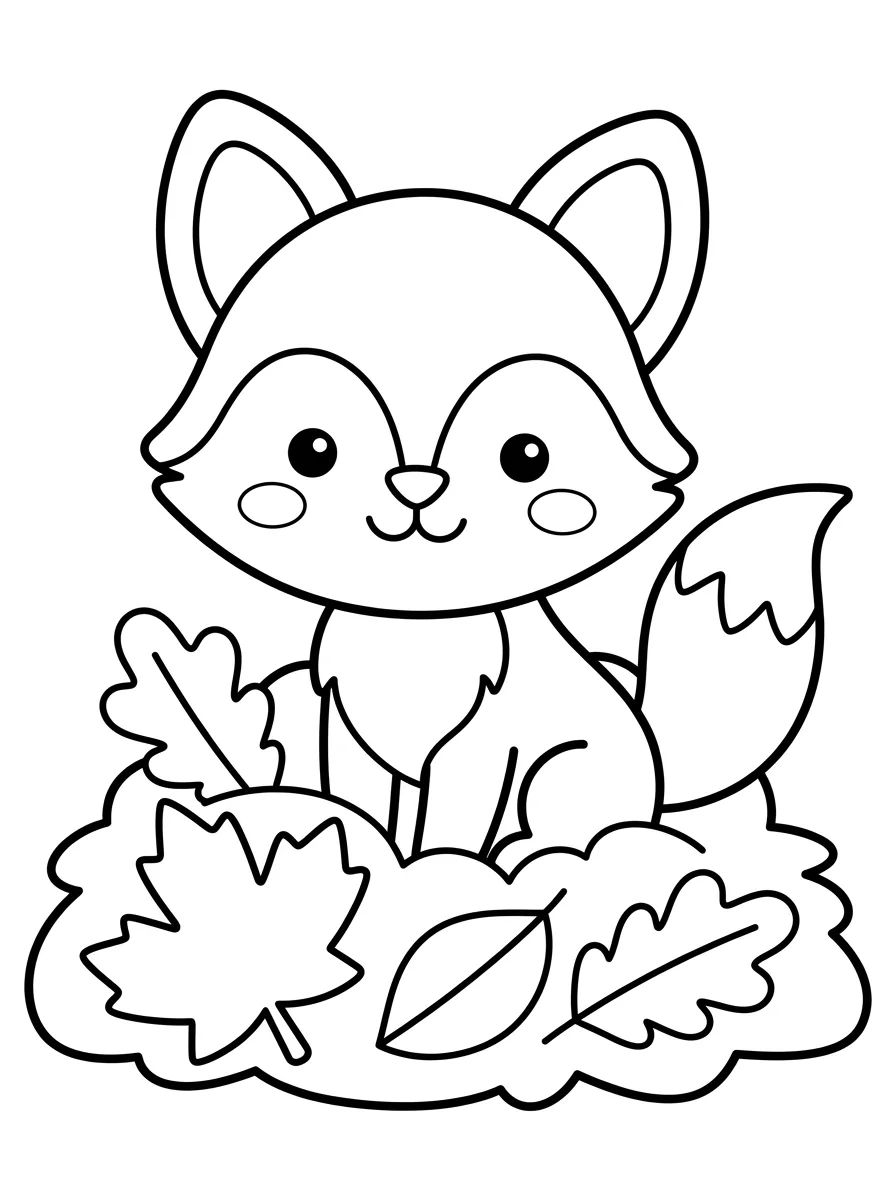
If you downloaded kids' line art of a superhero or a cute animal, use red to highlight important parts. Red is vibrant and catches the eye immediately, making it ideal for elements involving action or warmth.
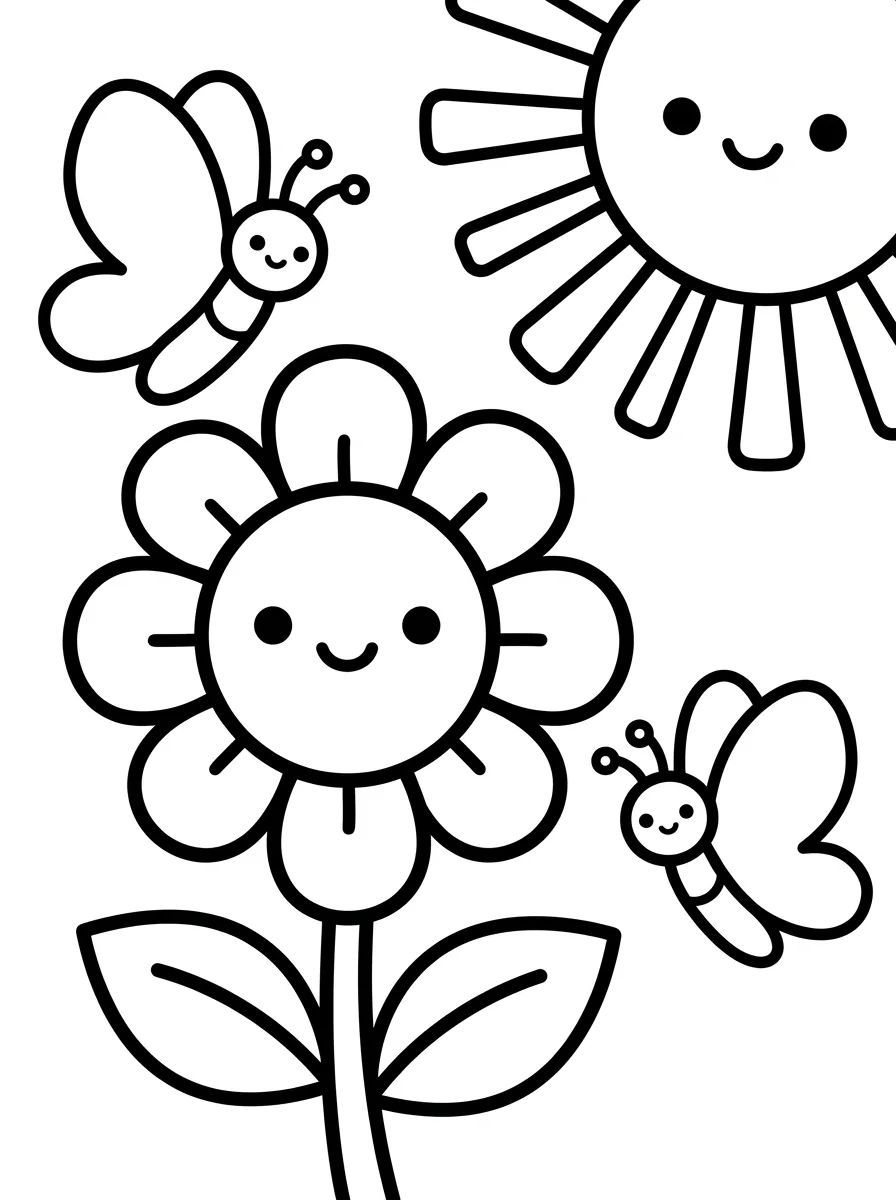
Blue brings a sense of calm and depth, perfect for painting the sky or water in our free coloring pages for kids. Meanwhile, yellow brightens the page, simulating the sun, light, or the spontaneous joy of a garden scene.
Quick tip: When using colored pencils, always start with light layers. You can overlay yellow onto blue to create unique shades of green directly on the paper, exploring the physical blending of primary colors.
Creating Secondary Colors in Your Printable Drawings
The transition from primary to secondary colors is where the real fun happens. Whether in a digital coloring book or a printed version, encouraging a child to mix tones helps develop a sharper artistic perception.
Secondary colors are green, orange, and purple. They arise from the balanced union of two primaries. Here is how they work in practice on your coloring sheets:
- Orange: A mix of Yellow and Red. Ideal for sunsets, spring flowers, and citrus fruits.
- Green: A mix of Blue and Yellow. Perfect for filling in nature, trees, and the lawns in our drawings.
- Purple (Violet): A mix of Blue and Red. Excellent for magical details, delicate flowers, or soft shadows.
Using these combinations in the site's cute coloring pages ensures the art isn't tiring to the eyes, creating a chromatic balance that pleases both kids and adults who practice coloring for kids as a form of therapy.
Color Combination Tips for Educational Drawings
When working with educational coloring pages, organizing colors helps reinforce learning. You can suggest that the child use complementary colors to make the drawing pop. Complementary colors are those located opposite each other on the color wheel.
For example, if the main character in your free drawing is painted purple, using yellow in the background will create a fantastic contrast. This is a design secret that can be taught early on through our printable art.
Another technique is analogous painting, where neighboring colors like red, orange, and yellow are used. This creates a feeling of warmth and coziness, very useful for drawings of pets or quiet domestic scenes.
Balancing Warm and Cool Tones
Dividing the palette between warm (red, orange, yellow) and cool (blue, green, purple) is essential. During the summer, drawings can reflect the heat with brighter, warmer colors in flowers and sunny landscapes.
If you are using online coloring tools, these features make it easy to swap tones quickly, allowing the user to experiment with various combinations before deciding on the best one for the final printed version on Desenhando e Colorindo.
Using AI in Coloring Pages
Today's technology allows for the creation of AI-generated coloring pages, resulting in precise lines and innovative themes. On our site, we integrate the best technology to offer exclusive designs that challenge creativity.
These AI drawings often have richer details, requiring better planning of secondary colors to avoid visually cluttering the image. The secret is to choose one dominant color and use the others for smaller details.
For a dragon or a fantasy creature, for instance, use a secondary color like green for the body and red (primary) details for the eyes or flames, creating a direct and professional visual impact.
Ideal Materials for Painting Color Wheels
The choice of material directly influences the brightness of primary and secondary colors. For those who frequently download printable coloring pages, investing in varied materials enriches the experience.
- Watercolor pencils: Great for mixing primary colors and seeing the secondary one emerge with the help of a damp brush.
- Markers: Offer very intense secondary colors, ideal for outlines and solid fills.
- Crayons: Excellent for young children learning hand pressure and basic tone layering.
- Gouache paints: The best pedagogical way to teach that Yellow + Blue really equals Green.
Remember: Higher weight paper (above 24lb or 90g) is better for those who like using paints or markers, preventing the art from bleeding through to the other side.
How to Apply Colors to Different Themes
Each theme available at Desenhando e Colorindo calls for a different approach. Nature drawings ask for lots of green (secondary) and yellow (primary). Space themes, however, focus on blue (primary) and purple (secondary).
When working with character coloring pages, try to stay true to the original colors or dare to create an alternative version. Why not paint an elephant orange? This stimulates creative thinking and breaks logical patterns.
Free drawings are a blank canvas for the imagination. There are no strict rules, only guides so that the child feels satisfied with the beauty of their own manual creation.
Frequently Asked Questions
What are primary and secondary colors?
Primary colors (blue, red, and yellow) are pure colors. Secondary colors (green, orange, and purple) are formed by mixing the primaries together.
What is the best way to teach colors to children?
The best way is through practical coloring activities. Use our printable coloring pages and ask the child to paint one side yellow and the other blue, mixing them in the middle.
Can I color the drawings from the site online?
Yes, Desenhando e Colorindo offers online coloring options, making it easy for those who don't have a printer handy or prefer using tablets.
How do I make the perfect green on paper?
Apply a light layer of yellow and, on top, a soft layer of blue. Keep adjusting the intensity of each until you reach the desired shade of green for your kids' line art.
Now that you know how to combine primary and secondary colors, it's time to put that knowledge into practice! Explore our vast gallery of free printable coloring pages at Desenhando e Colorindo, pick your favorites, and start creating incredible works of art today. The fun is just a click away!
Escrito e revisado por Armando Amaro
Fundador do Desenhando e Colorindo. Todo artigo passa por curadoria e revisão humana antes de ser publicado.