Coloring Activities for Preschoolers (Ages 3-5)
09 de setembro de 2026
Discover fun, educational coloring activities for kids ages 3-5. Download free printable coloring pages to spark creativity in the classroom! 🎨✨
The Importance of Coloring Pages in Early Childhood Development
Between the ages of 3 and 5, children go through a period of intense motor and sensory discovery. Using printable coloring pages is not just a hobby; it's an essential pedagogical tool for refining fine motor skills. When little ones hold a crayon or colored pencil, they are exercising muscles that will be fundamental for future writing.
At Desenhando e Colorindo, we believe that the freedom to choose colors promotes autonomy. During the back-to-school season or change of seasons, teachers can use nature and flower themes to connect the classroom environment with the world outside, offering coloring activities that spark immediate visual interest.
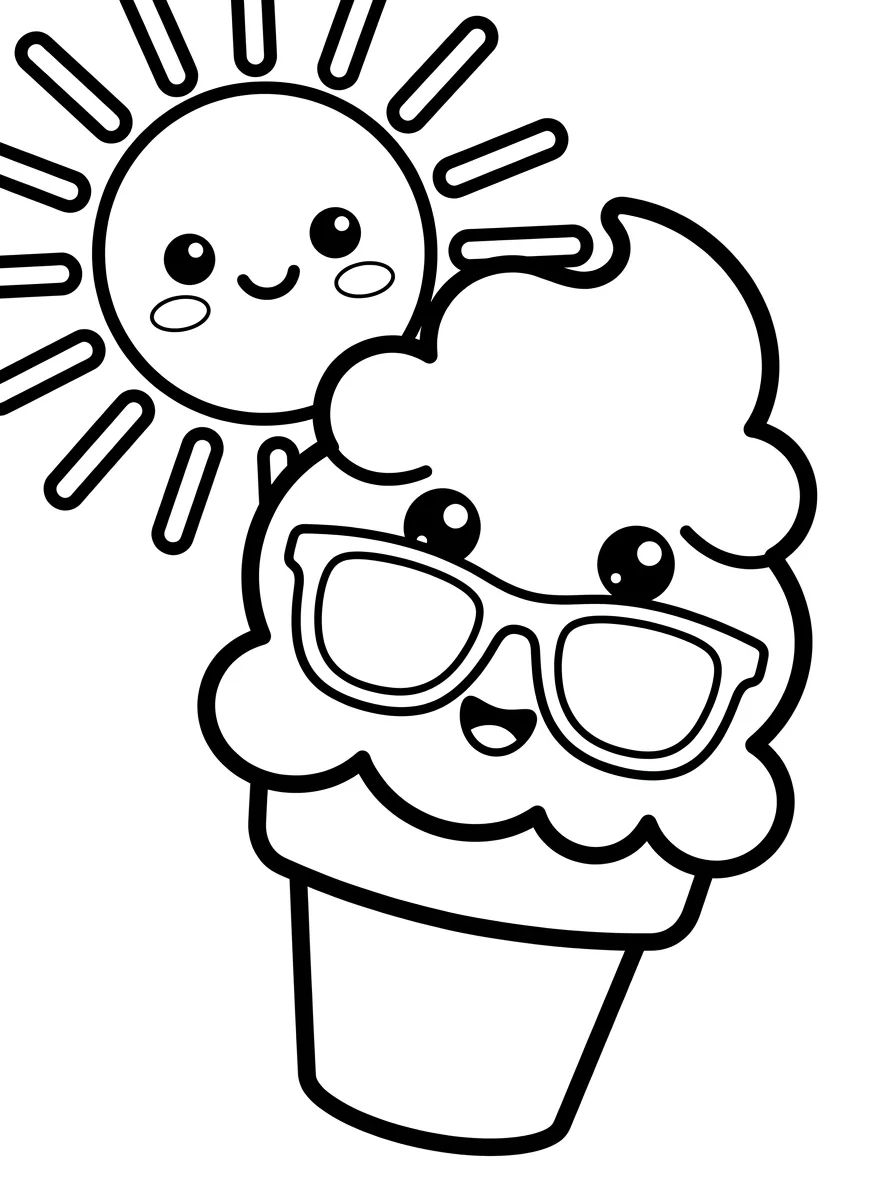
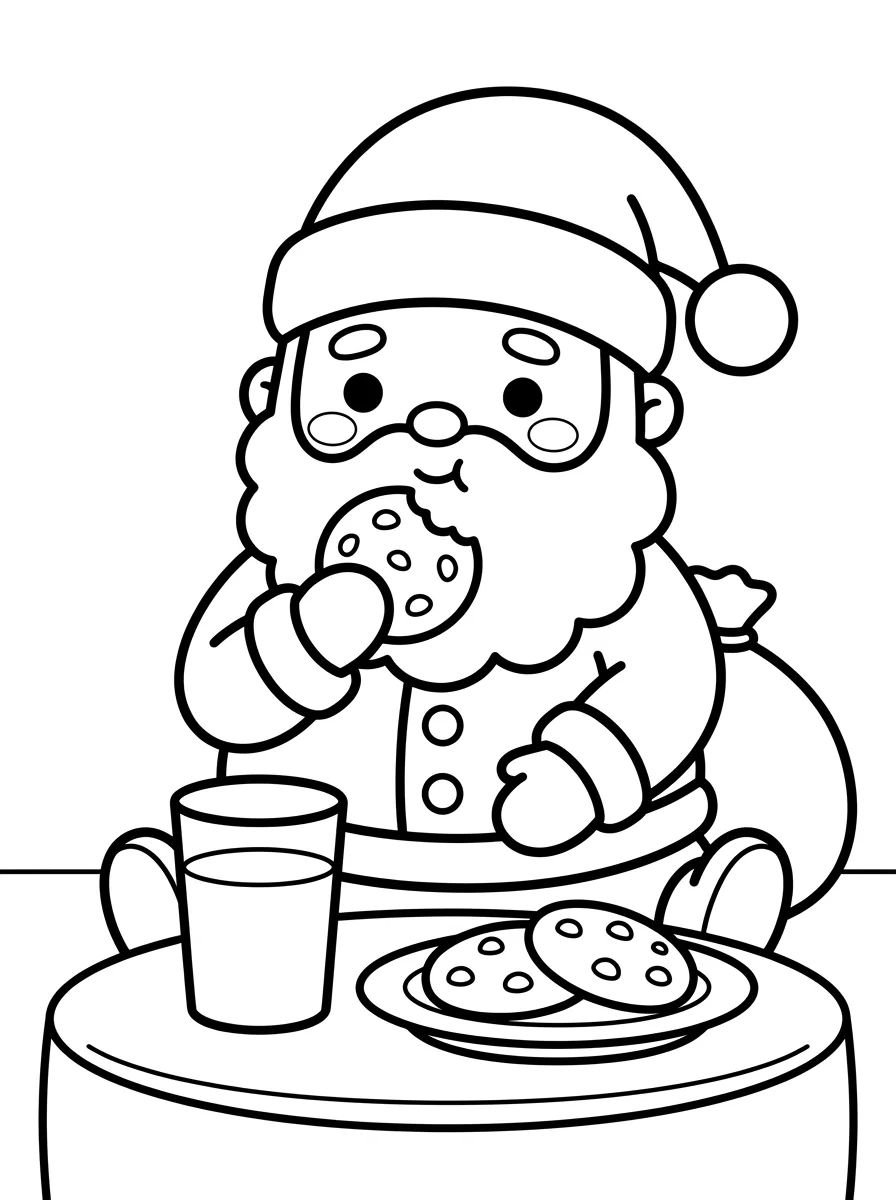
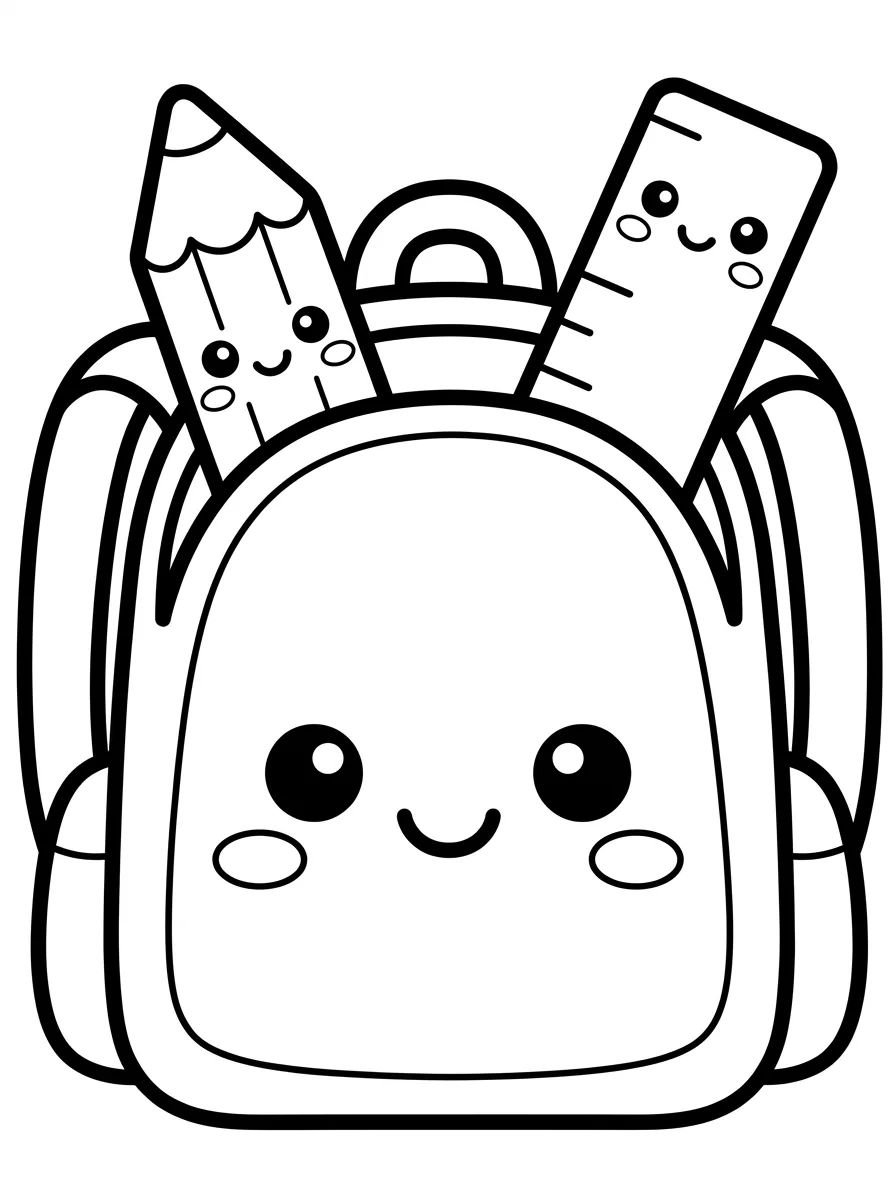
Furthermore, simplified infant line art is ideal for this age group. Drawings with thick lines help children respect spatial boundaries on the page—an abstract concept that they begin to understand through playful practice. Offering a variety of free drawings ensures the class's visual repertoire is always fresh.
Cognitive Benefits of Digital and Physical Coloring Books
Many educators wonder if it's better to use online coloring or traditional paper. The truth is that both complement each other. While digital helps with technological literacy, printable art allows for tactile contact with different materials, such as finger paints, crayons, and collages on the printed sheet.
The concentration required to fill an entire coloring page is a powerful mental exercise. Children aged 3 to 5 tend to be very active, and painting time acts as an emotional regulator, bringing calm and focus to their daily routine at school or home.
Pro tip: For younger children, try printing the drawings on thicker paper (like cardstock) so they can use markers or paint without the sheet tearing easily.
Stimulating Creativity with Diverse Themes
To keep students engaged, it's vital to vary the themes. Using cute drawings of animals, vehicles, and everyday objects helps with object identification and vocabulary growth. When a teacher hands out an elephant drawing, for example, it opens up space for discussions about the animal's habitat, sound, and size.
Educational drawings act as triggers for other learning. By coloring large, decorated numbers or letters, children associate the graphic shape with the sound, facilitating literacy development in an organic and fun way over the following years.
How to Organize Coloring Activities in Preschool
Organizing a routine that includes free printable coloring pages requires planning. It's not enough to just hand out the sheet; you need to create context. You can separate the class into groups by color affinity or by themes chosen by the students themselves on the Desenhando e Colorindo website.
- Art Corner: Set aside a space in the room with various free drawings printed and organized by category.
- Mixing Textures: Encourage the use of pencil shavings or glitter over kids' line art to create texture.
- Art Gallery: Create a mural with the finished coloring pages, valuing each child's individual production.
- Color Challenge: Suggest they use only warm or cool colors in specific educational drawings.
Variations of Printable Coloring Pages
Different line styles adapt better to each age milestone between 3 and 5. For 3-year-olds, simple geometric shapes and single objects in the center of the page are ideal. For 5-year-olds, small scenes with backgrounds and multiple characters challenge their perception of depth.
The use of AI-generated drawings has made it possible to create very specific images that meet the particular interests of each class, from friendly robots to enchanted gardens, always maintaining the clarity needed for a digital coloring book or printout.
Integrating Drawings with the Seasons
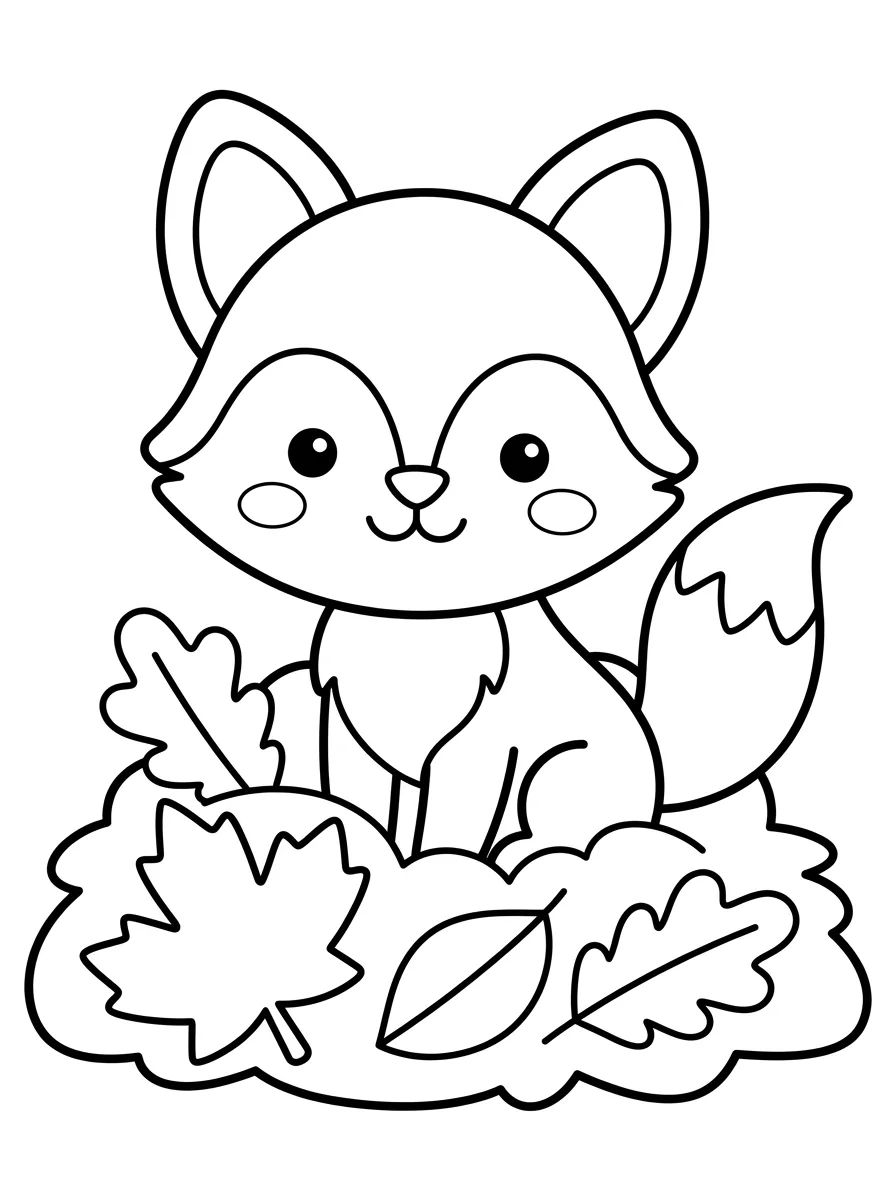
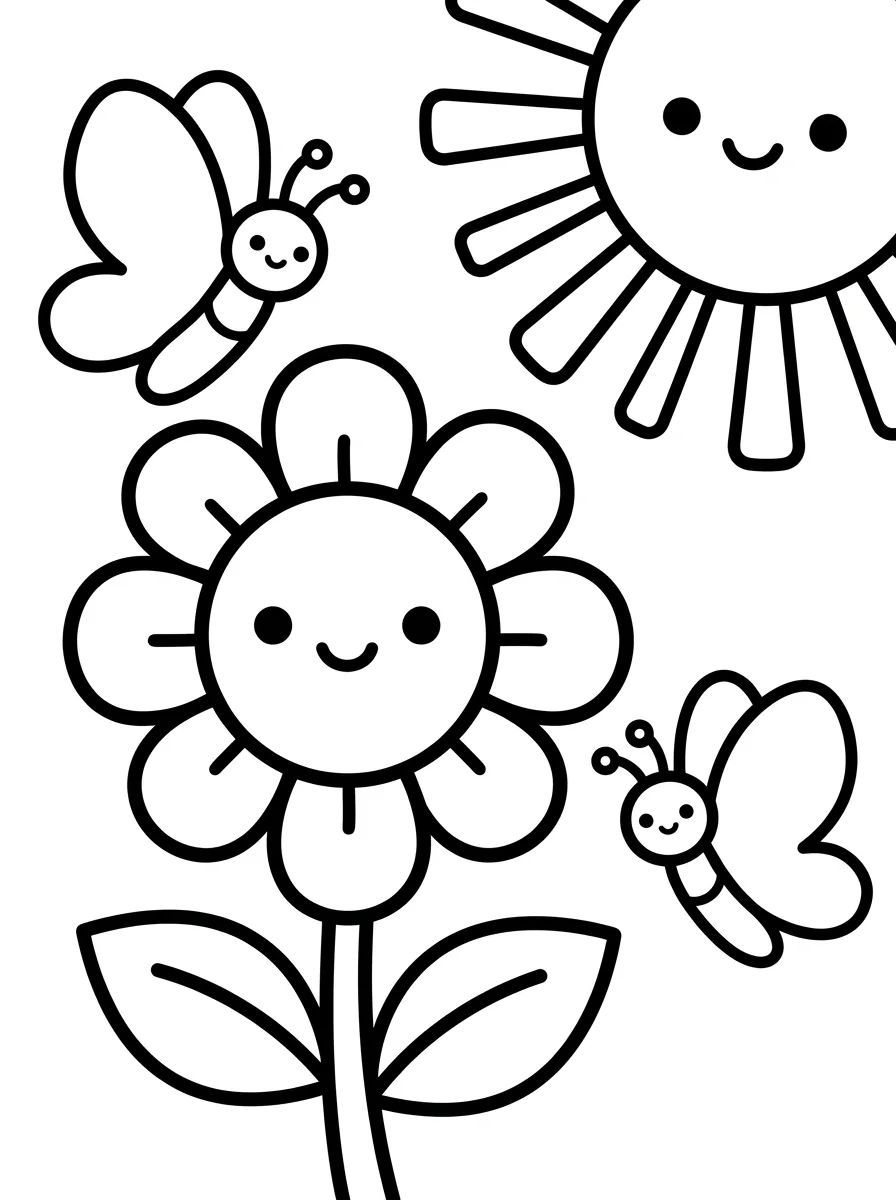
Depending on the time of year, coloring pages featuring flowers, butterflies, or autumn leaves are excellent hooks. This allows children to observe the world outside and try to replicate the colors they see in nature in their coloring activities at school.
Understanding the seasons is one of the first geographical concepts children learn. Using printable coloring pages that depict the sun, spring rain, or blooming plants reinforces this environmental connection in a playful way.
Tips for Parents and Teachers on Printing and Materials
To ensure the best experience with drawings to print, the quality of the original file is key. At Desenhando e Colorindo, all files are optimized so that lines come out crisp on the printer, making it easier for little ones to see the outlines.
In addition to standard paper, consider using recycled paper to teach sustainability while children have fun with coloring for kids. Jumbo crayons are best suited for small hands that are still developing the correct grip.
Exploring Online Coloring as an Extra Resource
Online coloring is an excellent option for times when printing isn't possible or to introduce basic mouse and tablet skills. It develops hand-eye coordination and allows children to experiment with infinite color combinations without the fear of making a mistake, as the "undo" command encourages experimentation without frustration.
The Role of Educational Drawings in Socialization
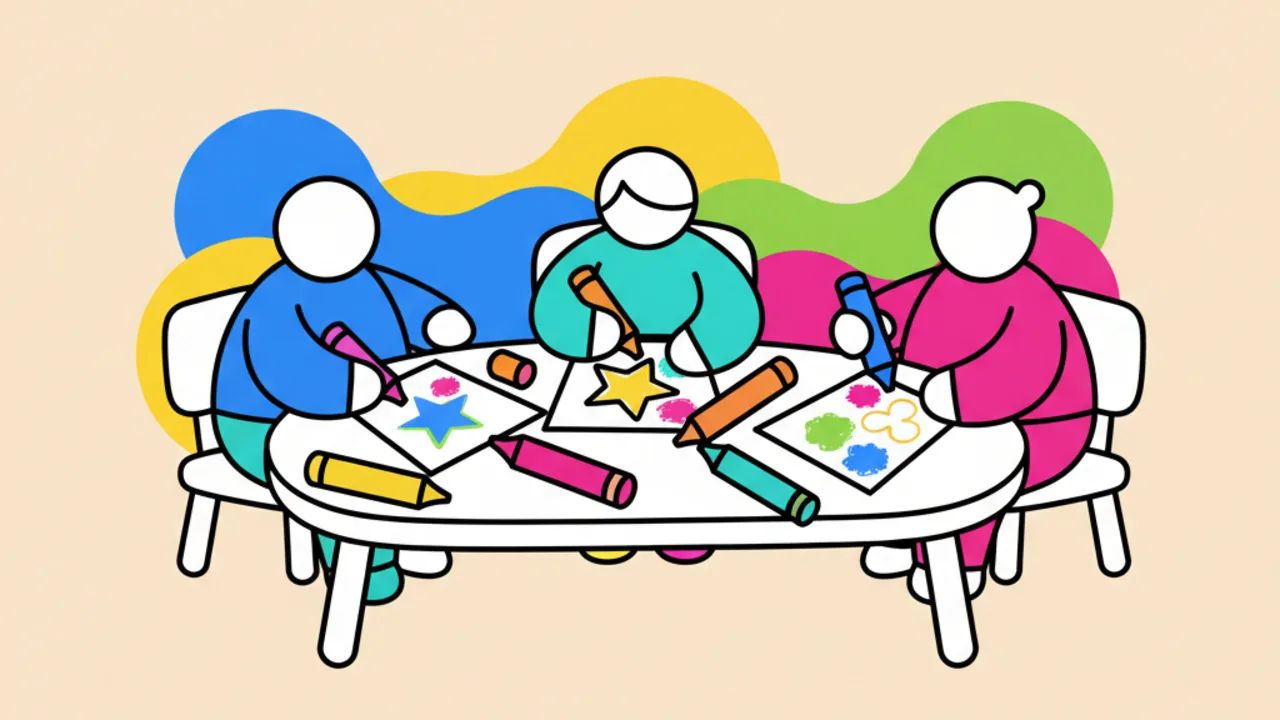
Painting in a group promotes sharing materials and respecting a peer's space. When several children are working with printable coloring pages at the same table, they start talking about their color choices and praising each other's work, developing basic social-emotional skills.
- Development of patience and persistence.
- Improved ability to follow simple instructions.
- Recognition of boundaries and spatial rules.
- Expression of feelings through color choice.
Frequently Asked Questions
What is the best material for 3-year-olds to color with?
For 3-year-olds, jumbo or thick crayons are ideal because they facilitate a palm grip. Finger paints are also excellent for stimulating sensory skills in printable drawings with large areas.
How do I encourage a child who doesn't like to color?
Try finding cute drawings of characters or themes they already love, like cars, animals, or dinosaurs. Don't force perfection; let them scribble freely over the line art so the process remains enjoyable.
Can I use coloring pages for school assessment?
Yes, educational drawings serve to observe the evolution of fine motor skills, color perception, and the child's ability to concentrate over the school months.
Where can I find high-quality free printable coloring pages?
The Desenhando e Colorindo website offers a vast library of categorized free drawings, ready to download and use at home or in school projects.
Conclusion
Coloring activities are fundamental for turning learning into a moment of pure fun and discovery. Whether at home or at school, offering free printable coloring pages opens a door to the world of imagination and healthy development. Explore our full collection at Desenhando e Colorindo now, pick your little ones' favorite themes, and start printing today to see their creativity bloom on every sheet of paper!
Escrito e revisado por Armando Amaro
Fundador do Desenhando e Colorindo. Todo artigo passa por curadoria e revisão humana antes de ser publicado.