Vegetable Garden Coloring Pages: Fun for Kids and Parents
16 de outubro de 2026
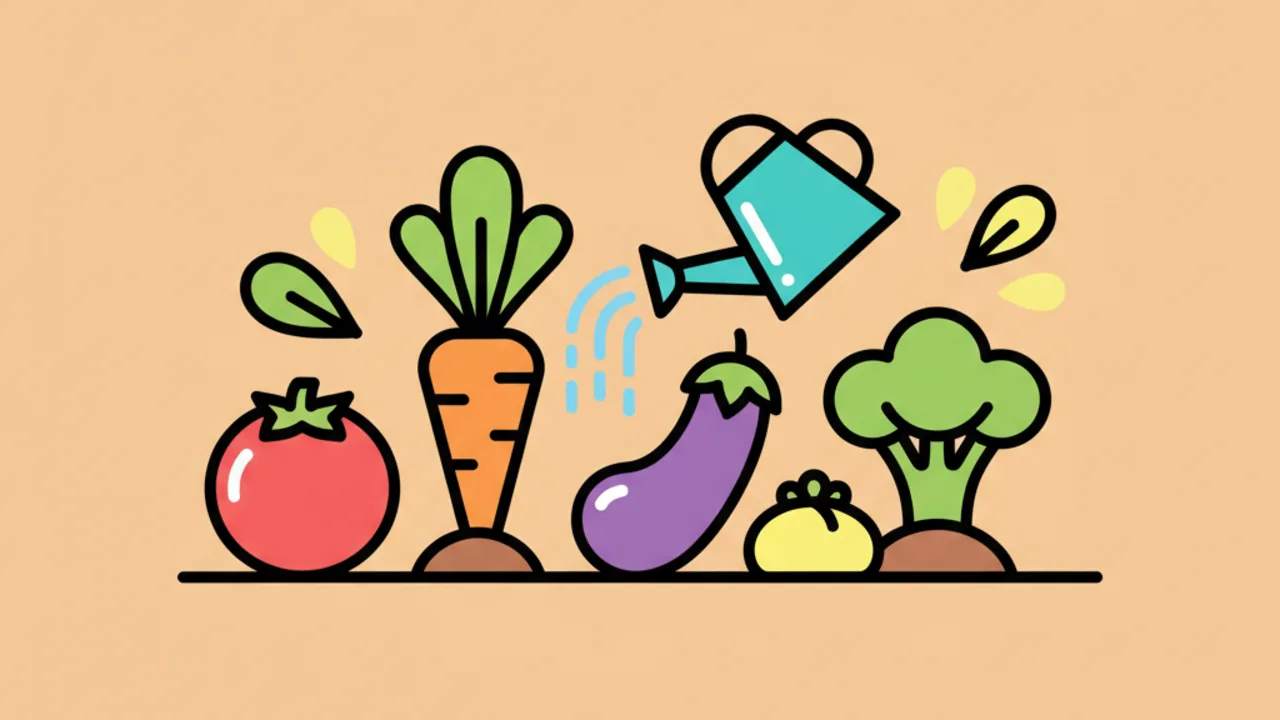
Explore free printable vegetable garden coloring pages! Discover fun illustrations of veggies and plants for educational activities and family bonding.
The demand for vegetable garden coloring pages is growing every day, especially among parents and educators who want to combine playtime with hands-on learning. As nature comes alive with vibrant colors, coloring illustrations of garden beds, gardening tools, and veggies is an excellent way to connect little ones with the environment. These coloring sheets aren't just a distraction; they are a powerful educational tool for teaching healthy eating and the life cycle of plants.
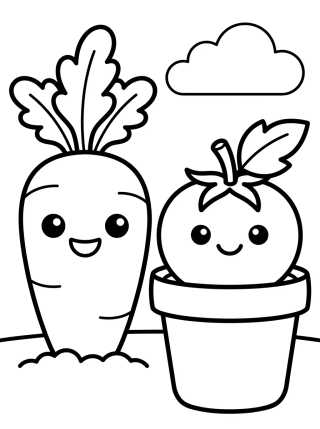
By downloading and printing these free drawings at Desenhando e Colorindo, you give children the chance to explore different visual textures. A well-designed garden features details ranging from soft soil to the veiny leaves of lettuce and the round shapes of tomatoes. Filling these areas with color helps develop fine motor skills, preparing little fingers for writing and other complex manual tasks.
Why choose garden coloring pages to print?
Choosing free printable coloring pages focused on vegetable gardens is a smart move for anyone seeking quality entertainment. Unlike purely fantasy drawings, garden themes bring real-world elements that children see on their plates every day. This creates immediate recognition and sparks curiosity about how that food made it to the table.
Furthermore, garden line art for kids allows for vast chromatic exploration. While a cartoon character usually has fixed colors, a carrot or a bell pepper allows for variations in shades of orange, green, red, and yellow. This stimulates visual perception and color mixing, encouraging kids to experiment with new materials like colored pencils, crayons, or even watercolors on thicker paper.
Benefits of coloring vegetable activities
Coloring activities involving vegetables and greens help with food acceptance. Studies show that children who interact visually with healthy foods—whether through drawings or actual gardening—tend to be less resistant when it's time to taste them. By coloring a broccoli or an eggplant, the child creates a positive memory associated with 그 shape, making it easier to introduce these items into their diet.
Another relevant point is focus and concentration. Filling the delimited spaces of a flower bed or a row of lettuce requires patience. In a fast-paced digital world, time spent with paper and pencil is a moment to slow down and relax, working almost like meditation for children and even for adults who use digital coloring books as a hobby.
Variety of free drawings at Desenhando e Colorindo
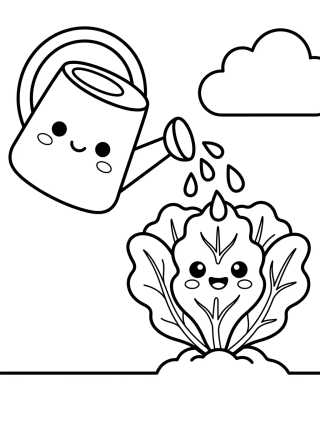
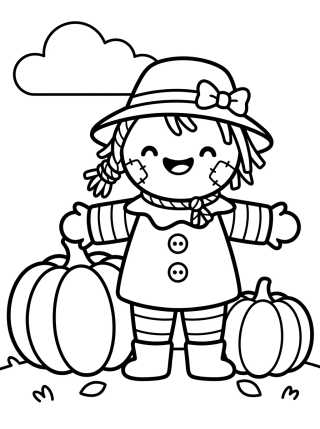
On our site, you’ll find a complete gallery of cute drawings depicting the daily life of those who tend the land. We have illustrations ranging from simple garden beds to complex scenes with scarecrows, watering cans, and little soil-dwelling animals like worms and ladybugs. This diversity ensures that both toddlers and older kids find the perfect challenge for their skill level.
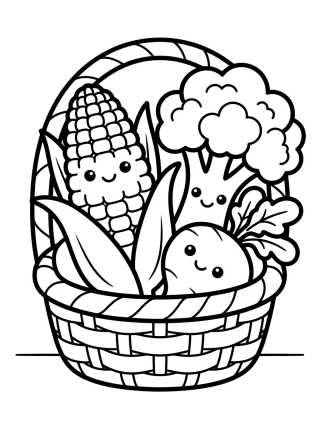
- Individual vegetable drawings: Ideal for teaching the names of each veggie and their characteristic colors.
- Community garden scenes: More detailed drawings showing the interaction between people and nature.
- Gardening tools: Illustrations of shovels, hoes, watering cans, and gloves to teach about farm work.
- Potted gardens: Perfect for showing that it's possible to grow plants even in small spaces like apartments.
These printable arts are optimized to ensure the lines come out crisp on any home printer. Desenhando e Colorindo cares about the quality of the line art, avoiding unnecessary shadows or broken outlines, making it easy to apply color without smudging or losing track of the drawing's edges.
Pro Tip: To get a more realistic effect on your garden drawings, try using a shading technique. Use a darker green on the edges of the leaves and a lighter or yellowish tone in the center to simulate sunlight hitting the plantation.
How to use garden drawings in early childhood education
Teachers can use educational coloring pages of gardens as a supplement to science classes. When talking about photosynthesis, plant parts, or ecosystems, the drawing serves as the perfect support material. You can create a "Paper Garden" project where each student is responsible for coloring a different bed, eventually assembling a large mural in the classroom.
Online coloring is also an option for schools with computer labs, but nothing replaces the sensory experience of paper. Printing the drawings allows students to use collages, like real grains (beans, corn) glued onto the art, or sifted soil mixed with glue to give texture to the drawn ground. This multisensory approach fixes the content much more effectively.
Stimulating creativity and AI
Today, we use modern technologies to offer varied options, including AI-generated drawings that create unique and innovative patterns of geometric gardens or vegetable mandalas. This mix of traditional and technological ensures that the Desenhando e Colorindo collection is always up-to-date with the latest in illustration design for kids.
Regardless of the creation technique, the main goal is creative freedom. A garden doesn't necessarily have to be green and brown. In the world of children's art, tomatoes can be blue and lettuce can be purple if the child wishes. The important thing is to validate artistic expression and the joy of creating something unique from a white sheet and black outlines.
Painting techniques for nature drawings
Coloring nature elements requires a bit more attention to light and shadow details. For kids, crayons are recommended for quickly filling large areas like the sky or the garden soil. For adults or older children, watercolor pencils offer a professional finish, allowing smooth transitions between vegetable colors.
- Pointillism: Use markers to make small dots on fruits and vegetables, creating a different texture.
- Crayon texture: Lay the crayon on its side to paint the soil area, creating a natural grainy effect.
- Gradients: Start with strong pressure on the pencil at the base of the vegetable and gradually soften it as you move toward the tip.
These techniques transform a simple coloring page into a work of art worthy of being framed. Encouraging the child to sign their work and date it helps build self-esteem and a sense of technical progress over time.
Gardening themes for all ages
Although the primary focus is coloring for kids, garden drawings also attract adults. Gardening is one of the most relaxing hobbies in existence, and coloring about it brings similar benefits. Adults seeking stress relief from daily life find digital disconnection in detailed drawings of plants and gardens.
At Desenhando e Colorindo, we offer varied difficulty levels. We have everything from simplified kids' line art to complex compositions that challenge patience and precision. The best part is that access is completely free, allowing anyone to print as many copies as they want to test different color palettes and combinations.
Printing tips for better quality
To ensure your activity is a success, pay attention to your printer settings. Select "High Quality" mode and make sure the paper is aligned correctly. If you're going to use liquid paints (like tempera or gouache), choose paper with a weight above 120g to prevent the sheet from wrinkling or tearing during the painting process.
Another tip is to use the online coloring feature available through some of our integrated partners, where kids can practice on a tablet before moving to physical paper. This helps plan colors and reduces paper waste, though the physical experience remains our favorite for motor development.
Frequently Asked Questions
Where can I download free vegetable garden coloring pages?
You can download hundreds of options directly from the Desenhando e Colorindo website. Browse the nature or food categories, pick your favorite image, and click the print or save button. All our content is free for personal and educational use.
What materials are best for coloring garden drawings?
For young children, thick crayons are ideal because they are easy to hold. For detailing leaves and smaller vegetables, colored pencils are the best choice. If you're looking for an artistic effect, you can use fine-tip markers for outlines and colored pencils for filling.
Can I use these drawings in school projects?
Yes! Our educational drawings are perfect for teachers to use in the classroom, environment projects, healthy eating weeks, or science activities. You can print multiple copies to distribute to students at no cost.
How can I encourage my child to color vegetables?
A great strategy is to color along with them. Show them a drawing of a vegetable and then show them the real vegetable in the fridge. This creates a connection between paper and reality. Praise the child's effort and display the finished drawing in a prominent place, like the refrigerator door.
Now that you know all the possibilities and pedagogical benefits of garden coloring pages, don't waste time and start your artistic plantation right now. Fun is just a click away. Explore our collection, choose the best illustrations, and get your colored pencils ready. Desenhando e Colorindo is your number one destination for free printable coloring pages, ensuring hours of creativity and learning for the whole family!
Escrito e revisado por Armando Amaro
Fundador do Desenhando e Colorindo. Todo artigo passa por curadoria e revisão humana antes de ser publicado.